How to Use PLR Content PLR Course 32k Words
in Content Marketing PLR , PLR eCourses , PLR List Building Reports , Premium PLR , Premium White Label Brandable PLR Coaching Courses , Private Label Rights ProductsChoose Your Desired Option(s)
has been added to your cart!
have been added to your cart!
#useplrcontent #plrcourse #contentmarketing #digitalproducts #onlinebusiness #plrstrategies #makemoneyonline #contentcreation #plrcontent #entrepreneurtips
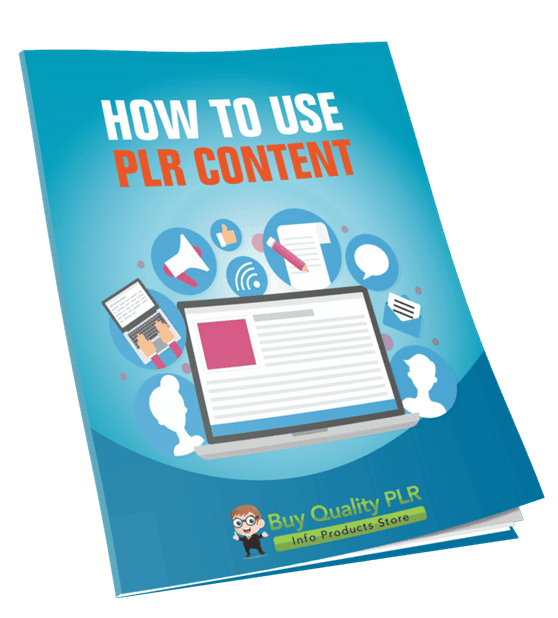
How to Use PLR Content PLR Course – 32,000 Words
Dropshipping Mastery: A Step-by-Step Guide to Profitable Rebranding
Do you want to turn ready-made content into a profitable online business? Are you ready to take PLR products, rebrand them, and create a long-term income stream?
The How to Use PLR Content PLR Course is a 32,000-word step-by-step training program that teaches entrepreneurs, marketers, and content creators how to leverage PLR content for maximum profit—including dropshipping, rebranding, and creating a professional online store that sells.
This course is perfect for anyone who wants to save time, monetize existing content, and scale a business smartly without starting from scratch.
Introducing the…
How to Use PLR Content
Why This Course Is Essential
Many entrepreneurs struggle with taking PLR content and turning it into a profitable product. Without guidance, PLR often sits unused, undervalued, or poorly executed.
With this course, your audience will learn how to:
- Identify profitable products worth rebranding
- Build a strong brand identity around generic products
- Launch an online store that looks professional
- Market products effectively for long-term success
- Scale without burnout, mistakes, or wasted ad spend
This is more than a PLR course—it’s a roadmap for creating a real, sustainable, and profitable online business.
Course Modules: What Your Learners Will Discover
Module 1: Laying the Foundation – Understanding Dropshipping & Rebranding
Goal: Understand how dropshipping works and why rebranding is key to profit.
- Lesson 1: What is Dropshipping Really About?
Learn the essentials of buying low, selling high, and letting suppliers handle fulfillment. - Lesson 2: The Power of Rebranding in Dropshipping
Discover how giving a product your own brand identity instantly boosts perceived value. - Lesson 3: Choosing the Right Products to Rebrand
Learn how to pick products that are wanted by customers but poorly branded in the market. - Lesson 4: Understanding Your Audience Before Branding
Step into your customer’s shoes to identify pain points, desires, and buying triggers.
Module 2: Finding & Sourcing Profitable Products
Goal: Discover and secure products that will sell under your brand.
- Lesson 1: Researching Winning Products That Can Be Rebranded
Step-by-step guidance on finding products with high demand and rebranding potential. - Lesson 2: Evaluating Product Quality & Supplier Reliability
Avoid refunds and complaints by ensuring suppliers and products meet quality standards. - Lesson 3: Negotiating With Suppliers for Rebranded Versions
Learn how to request private labeling, custom packaging, and branded inserts—even as a beginner. - Lesson 4: Calculating Costs & Profit Margins
Master cost breakdowns to ensure your store is profitable from the start.
Module 3: Crafting a Profitable Brand Identity
Goal: Transform generic products into a recognizable, trustworthy brand.
- Lesson 1: Defining Your Brand Personality
Choose a brand vibe—luxury, playful, eco-friendly—and design everything around it. - Lesson 2: Creating a Memorable Brand Name & Logo
Brainstorm, test, and design a logo that sticks—even if you’re not a designer. - Lesson 3: Designing Packaging & Product Presentation
Learn how unboxing experiences and packaging wow customers and encourage repeat sales. - Lesson 4: Building Trust With Brand Storytelling
Create a story that makes your brand relatable, authentic, and desirable.
Module 4: Building & Launching Your Rebranded Store
Goal: Set up a professional online store that converts visitors into buyers.
- Lesson 1: Setting Up Your Online Store the Right Way
Step-by-step walkthrough for Shopify, WooCommerce, or other platforms without tech overwhelm. - Lesson 2: Writing High-Converting Product Pages
Focus on benefits, emotions, and solutions, not just product features. - Lesson 3: Adding Lifestyle Images & Branded Visuals
Use photos, mockups, and videos that make your store stand out professionally. - Lesson 4: Launching Your Store with Confidence
Pre-launch checklist ensures everything is ready for a smooth go-live.
Module 5: Marketing, Scaling & Long-Term Success
Goal: Turn your rebranded dropshipping business into a sustainable, profitable brand.
- Lesson 1: Creating a Profitable Marketing Plan
Learn Facebook, TikTok, Instagram, and email strategies without wasting money. - Lesson 2: Building an Engaged Community Around Your Brand
Use social media and influencer marketing to create a loyal, repeat-buying audience. - Lesson 3: Scaling Your Business Without Burning Out
Automate, hire freelancers, and reinvest profits for sustainable growth. - Lesson 4: Turning Rebranded Dropshipping into a Long-Term Brand
Transition from “dropshipper” to a trusted eCommerce brand with long-term growth potential.
✅ End Result
By the end of this course, learners will be able to:
- Take generic products and rebrand them professionally
- Build a visually appealing, trust-worthy online store
- Execute marketing campaigns that attract and convert
- Automate and scale operations without stress
- Build a long-term, profitable online business
This course is ideal for entrepreneurs, marketers, and PLR users looking to monetize content and products quickly.
Bonus Materials Included
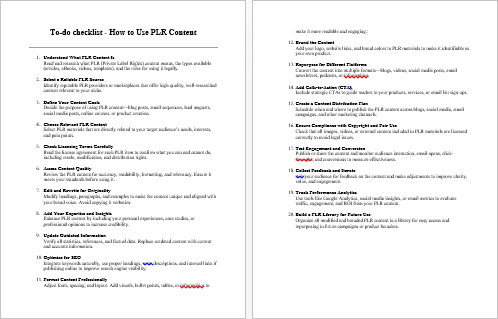
- Checklist – 480 Words: Quick reference for each step of rebranding and store setup.
- FAQs – 679 Words: Answers common questions about PLR usage, dropshipping, and scaling.
- Salespage – 918 Words: Ready-to-use promotional content to sell this course immediately.
Who Should Use This PLR Course?
- Entrepreneurs and digital marketers wanting a ready-to-sell course
- PLR buyers who want actionable strategies for monetizing content
- Dropshipping beginners who want a step-by-step guide to profitable rebranding
- Coaches or content creators who want a turnkey program for their audience
- Anyone looking to repurpose PLR into high-value income streams
How to Profit From This PLR Course
1. Sell the Full Course As-Is
Offer it as a complete online course for $197–$497.
2. Create a Multi-Week Eclass
Split modules into weekly lessons for $297–$997 access.
3. Sell Individual Lessons or Reports
Break the course into guides or lessons ($10–$20 each).
4. Bundle with Other PLR Products
Create premium bundles ($47–$97) for maximum revenue.
5. Membership Sites
Deliver lessons weekly to subscribers for recurring income.
6. Convert to Audio, Video, or Webinar
Use content for podcasts, YouTube, live sessions, or workshops.
7. Physical Products
Turn lessons into workbooks, guides, or planners for premium sales.
8. Lead Magnets & Promotions
Excerpt content for blogs, emails, or social media campaigns.
9. Build & Flip a Business
Create a website using this course and sell it as a ready-to-go business.
Licensing Terms: What You Can and Cannot Do
You CAN:
- Sell with minor edits or rebranding
- Rewrite 75%+ and claim copyright
- Break into smaller guides or mini-courses
- Bundle with other PLR products
- Convert to audio, video, or membership content
- Use excerpts for lead magnets or blog posts
You CANNOT:
- Pass PLR rights to customers
- Offer 100% affiliate commissions (max 75%)
- Give away the full course for free
- Include the course in packages without requiring purchase
Why Buy Quality PLR?
- Professionally written 32,000-word course
- Turnkey course ready to sell, teach, or repurpose
- Bonus materials for instant marketing and delivery
- Highly actionable content for monetization
- High-demand niche: PLR monetization + dropshipping
The Bottom Line
The How to Use PLR Content PLR Course is more than a guide—it’s a turnkey blueprint to monetize PLR, create rebranded products, and launch a sustainable online business.
With step-by-step modules, practical strategies, and bonus materials, your audience can start generating income immediately while learning the fundamentals of profitable rebranding and dropshipping.
Save time, scale smart, and turn PLR into profit.
Take Action Today
Available now at Buy Quality PLR – help your audience turn ready-made content into a real, profitable online business.
Learn. Rebrand. Sell. Profit.
has been added to your cart!
have been added to your cart!
Here A Sample of the How to Use PLR Content PLR Course
Module 1: Laying the Foundation – Understanding Dropshipping & Rebranding
Lesson 1: What is Dropshipping Really About?
Introduction
Before we dive into strategies, branding, and profit-making, it’s important to truly understand the mechanics of dropshipping. Too many people rush into this business thinking it’s a quick money-making scheme. They see flashy advertisements or gurus saying you can get rich overnight by selling products without touching them.
But here’s the truth: dropshipping is a real business model. It works on a very simple principle—you sell products to customers, but you don’t keep those products in stock. Instead, when a customer places an order, you forward it to a supplier, and that supplier ships it directly to the customer on your behalf.
This lesson will help you break down dropshipping in plain and simple terms, so you know exactly what’s happening behind the scenes. Once you understand this foundation, you’ll be able to build a strong, profitable business without confusion.
Step 1: Understanding the Core Idea of Dropshipping
At its heart, dropshipping is about selling without stocking.
Think of a traditional retail store. If you own a clothing shop, you buy inventory upfront, stock it in your store, and then sell it to customers when they walk in. This requires money, storage, and risk—because if you don’t sell the clothes, you’re stuck with them.
Now imagine you run an online store through dropshipping. You still list products for sale, but you don’t physically own or store them. Instead, you partner with suppliers who already have the products. When someone buys from your store, you purchase the item from the supplier at a lower cost and provide the customer’s shipping details. The supplier then ships the product directly to your customer.
Here’s a simple breakdown:
- Customer places an order in your store.
- You buy the same product from your supplier at a lower cost.
- Supplier ships the product directly to the customer.
- You keep the difference as your profit.
This means you’re acting as the middle point—connecting a customer with a product, but making it look like it’s all coming from your store.
Step 2: The Financial Logic Behind Dropshipping
Dropshipping works on a buy low, sell high principle. Let’s look at a simple example to illustrate this.
- A wireless earphone costs you USD 10 from your supplier.
- You sell it in your online store for USD 30.
- When a customer places an order, you forward it to the supplier and pay them USD 10, plus maybe USD 3 for shipping.
- Total cost = USD 13.
- Your selling price = USD 30.
- Your profit = USD 17.
This is the beauty of dropshipping. You don’t need thousands of dollars in advance to buy bulk inventory. Instead, you only pay your supplier after you’ve already received money from the customer.
That’s why dropshipping is such a popular model for entrepreneurs worldwide—it lowers the risk of starting a business, reduces upfront costs, and allows you to experiment with different products before committing big money.
Step 3: How the Process Works Step by Step
Let’s break the dropshipping process into clear, easy-to-follow steps.
- You create an online store.
This could be on platforms like Shopify, WooCommerce, or any eCommerce builder. - You list products for sale.
These are products sourced from your chosen suppliers. You add your own pricing, branding, and descriptions. - A customer visits your store.
They browse your products, find something they like, and place an order at your set retail price. - You receive the payment.
The customer pays you directly, usually through a payment gateway like PayPal, Stripe, or credit card. - You place the order with your supplier.
You forward the customer’s order and shipping details to your supplier, paying them the wholesale price. - Supplier ships the product.
The supplier packages and ships the item straight to your customer. - Your customer receives the product.
From their perspective, it looks like it came directly from your store, not from a supplier. - You keep the profit.
The difference between what the customer paid and what you paid the supplier is your profit margin.
This cycle repeats every time you make a sale.
Step 4: Advantages of Dropshipping
Now let’s highlight why this model has become so popular globally.
- Low Startup Costs
You don’t need to buy stock upfront. This means almost anyone can start with minimal investment. - No Storage Worries
You don’t need warehouses, storage rooms, or logistics systems. Suppliers handle all the physical parts of the business. - Wide Product Range
Since you don’t need to stock inventory, you can offer a wide variety of products in your store without worrying about space. - Location Freedom
Dropshipping is online-based, meaning you can run it from anywhere—your home, a café, or while traveling. - Scalability
Since suppliers handle shipping and stock management, scaling your business to handle more sales is much easier than in traditional retail.
Step 5: Challenges of Dropshipping
Every business model has its downsides, and dropshipping is no different. Understanding these challenges helps you prepare better.
- Lower Profit Margins Compared to Bulk Buying
Since you’re buying single units from suppliers, your cost per product may be higher than bulk wholesale. - Reliance on Suppliers
Your business success depends heavily on your supplier’s reliability. If they delay shipping or send poor-quality products, it reflects badly on your brand. - Shipping Times
International shipping (for example, from Asia to Europe or the USA) can take longer, sometimes 2–4 weeks. Customers today expect faster delivery. - High Competition
Since dropshipping has low barriers to entry, many sellers compete with similar products. This makes branding and rebranding very important. - Less Control Over Quality
You don’t get to check every product before it’s shipped, so you rely on the supplier’s quality control.
By knowing these challenges early, you can work smarter to overcome them—mainly by building a strong brand identity, which we’ll discuss in later lessons.
Step 6: Why Rebranding Matters in Dropshipping
So far, we’ve explained the mechanics of dropshipping. But here’s the big difference between a beginner who fails and an entrepreneur who succeeds: Rebranding.
Most beginners simply copy and paste supplier product images and descriptions, listing them on their store at a higher price. Customers can easily find the same products elsewhere, sometimes at a lower cost. That’s why so many dropshippers fail—they don’t stand out.
Rebranding changes the game. Here’s how:
- Product Packaging: Instead of plain packaging, your supplier can use packaging with your logo or brand colors.
- Logo Printing: Some suppliers allow private labeling—printing your logo directly on the product.
- Unique Store Design: By building a professional-looking store with consistent branding, you create trust.
- Custom Product Descriptions: Writing unique, benefit-driven product descriptions separates you from competitors who just copy supplier text.
When you rebrand, you stop being “just another dropshipper” and start building a real business with long-term value. Customers remember your brand, not just the product.
Step 7: Dropshipping in the Global Marketplace
Since this course is designed for international creators, let’s look at dropshipping on a global scale.
- Global Suppliers: You’re not limited to one region. Suppliers exist in China, the United States, Europe, India, and beyond.
- International Customers: Your store can attract buyers worldwide. Someone in Canada can buy from your store even if your supplier is in Vietnam.
- Currency & Payment Gateways: International payment gateways make it possible to accept multiple currencies.
- Shipping Networks: Suppliers use international logistics companies to deliver across borders.
This global nature means dropshipping isn’t tied to one country—it’s a truly borderless business model.
Step 8: A Realistic View of Dropshipping
Many people get into dropshipping with the wrong mindset. Let’s clear that up.
- Dropshipping is not instant wealth. It’s a real business that requires effort, patience, and strategy.
- It’s not just about finding “hot” products. It’s about creating a system—branding, customer service, and marketing—that makes people trust and buy from you.
- It’s not risk-free. While you don’t risk losing money on inventory, you still need to invest in marketing, branding, and tools.
When you approach dropshipping with this realistic mindset, you’ll avoid disappointment and set yourself up for long-term success.
Step 9: Key Takeaways
By now, you should have a solid understanding of what dropshipping really is. Let’s recap the essentials in clear points:
- Dropshipping is a business model where you sell products without holding inventory.
- You act as the middle point—connecting customers with suppliers.
- You profit by selling products at a higher price than what you pay your supplier.
- The supplier handles storage, packaging, and shipping.
- Advantages include low startup cost, flexibility, and scalability.
- Challenges include competition, reliance on suppliers, and longer shipping times.
- Success depends on rebranding—creating a unique brand identity around generic products.
- Dropshipping works globally, making it one of the most accessible business models in today’s digital economy.
Conclusion
Dropshipping, at its core, is beautifully simple: you sell, suppliers deliver, and you profit. But don’t let the simplicity fool you. While anyone can start, not everyone succeeds. The difference between success and failure lies in understanding the fundamentals and then layering branding, marketing, and customer experience on top.
This lesson has given you the foundation—the plain truth of what dropshipping really is, without jargon or hype. With this clarity, you are better prepared to move forward and explore how rebranding transforms a simple dropshipping store into a profitable, long-term business.
Lesson 2: The Power of Rebranding in Dropshipping
Introduction
If you’ve understood the basic mechanics of dropshipping from the previous lesson, you now know that the model itself is simple: sell products without holding inventory. But here’s the truth that separates successful dropshippers from those who struggle: not all dropshipping stores are created equal.
Many beginners fail because they rely purely on generic products sourced directly from suppliers, without adding any unique touch. Customers quickly recognize the same product across multiple stores, often at slightly higher prices, and the result is low sales and diminishing profit margins.
This is where rebranding comes in. Rebranding is not just about changing a logo or packaging; it’s about transforming a generic product into something that carries your unique brand identity, resonates with your target audience, and creates perceived value that allows you to charge premium prices.
In this lesson, we will explore in detail why rebranding is a game-changer in dropshipping, how it works, and step-by-step methods to implement it effectively in your business.
Step 1: Understanding Perceived Value
Before discussing the practical steps of rebranding, we need to understand a key concept: perceived value.
Perceived value is the worth a customer assigns to your product based on their perception, rather than the actual production cost. Two identical products can sell for drastically different prices depending on branding. For example:
- A plain wireless earphone sold on a marketplace may cost USD 15.
- The same earphone, packaged professionally with a brand story, premium logo, and attractive product presentation, can be sold for USD 40 or more.
Why? Because the customer perceives it as higher quality, more trustworthy, and worth the extra money. Rebranding is what allows you to create this perception.
In dropshipping, perceived value is everything. Since your product is often similar to what others are selling, branding is the primary differentiator that convinces customers to choose you.
Step 2: What Rebranding Really Means in Dropshipping
Rebranding in dropshipping goes beyond just designing a logo. It is a strategic process that involves several layers:
- Visual Identity: Logos, color palettes, fonts, and packaging that make your product recognizable.
- Product Differentiation: Adding small touches that make your product feel unique—custom packaging, inserts, or even bundled items.
- Storytelling: Crafting a compelling brand story that aligns with your audience’s values and emotions.
- Customer Experience: Ensuring that the unboxing, delivery, and post-purchase support reflect your brand’s promise.
When these elements come together, a generic product transforms into a premium product in the eyes of the customer.
Step 3: Why Rebranding is a Game-Changer
Let’s break down the advantages of rebranding in a dropshipping business:
- Higher Profit Margins
When customers perceive your product as unique and high-quality, you can charge more. Rebranding allows you to create a premium pricing strategy rather than competing purely on cost. - Customer Loyalty
Customers are more likely to return to a store they trust and recognize. A rebranded product gives your business repeatable revenue opportunities, unlike generic listings where price alone drives sales. - Reduced Competition
Generic products are sold by dozens of sellers. Rebranding differentiates your product, reducing direct price competition and increasing your control over your market. - Professional Image
A branded product conveys professionalism, trustworthiness, and reliability. Customers are more likely to buy from a store that looks professional rather than a random generic listing. - Long-Term Business Value
A rebranded product isn’t just a one-time sale—it builds your brand equity. Over time, your store becomes a recognizable name, and your business can scale sustainably.
Rebranding turns a simple dropshipping transaction into a brand experience, which is the key to turning casual buyers into loyal customers.
Step 4: Steps to Implement Rebranding in Dropshipping
Now, let’s go step by step on how to rebrand a product in a dropshipping business.
Step 4.1: Research and Select Your Product
- Identify products with high demand but low differentiation. Look for products that are widely sold but have no strong brand identity.
- Consider products that can be enhanced visually or functionally with minimal investment.
- Analyze competitors’ listings to see where gaps exist—this could be in packaging, presentation, or product description.
The goal here is to find a product that customers want, but that can stand out with branding.
Step 4.2: Develop Your Brand Identity
Brand identity includes:
- Brand Name: Choose a name that reflects the product’s purpose, your target audience, and a sense of professionalism.
- Logo Design: Create a clean and memorable logo. Even simple logos can make a product look more premium.
- Color Scheme and Fonts: Pick consistent colors and fonts for all visual elements. This consistency makes your product look cohesive and trustworthy.
- Tone of Voice: Decide whether your brand is friendly, luxurious, technical, or playful. Your product descriptions, website, and communications should reflect this tone.
The aim is to make every touchpoint with your brand feel consistent and professional.
Step 4.3: Customize Packaging and Product Presentation
Packaging is one of the most tangible ways to rebrand a product. Even small changes can make a big difference:
- Custom Boxes or Bags: Simple, branded packaging elevates the unboxing experience.
- Product Labels: Private labeling or adding your logo to the product itself makes it feel like a premium item.
- Inserts and Thank You Notes: A small card thanking the customer or providing care instructions adds a personal touch.
Customers often judge product quality by the first impression—unboxing. Rebranding through packaging allows you to create a professional and memorable experience.
Step 4.4: Craft Unique Product Descriptions
Copying supplier descriptions is a mistake. Unique product descriptions:
- Highlight benefits rather than just features.
- Speak to your target audience’s pain points and desires.
- Include your brand voice consistently throughout.
Example: Instead of “Wireless earphones, Bluetooth 5.0, 10-hour battery,” you could write:
“Experience true freedom with our premium wireless earphones. Designed for music lovers on the go, these earphones deliver crystal-clear sound and all-day comfort. Let your music move you wherever life takes you.”
This approach adds emotional value and differentiates your product from generic alternatives.
Step 4.5: Build Trust Through Your Brand
Branding also creates trust, which is essential in dropshipping because:
- Customers can’t touch or see the product before purchase.
- They rely on visual cues, website quality, and branding to decide if the product is credible.
Trust-building strategies include:
- Professional website design with a clean layout.
- High-quality product images and lifestyle photos.
- Consistent use of your logo, colors, and brand tone.
- Clear customer service contact information.
Trust enhances perceived value, and higher perceived value allows for premium pricing and better conversions.
Step 4.6: Rebranding for Marketing Advantage
Rebranding also allows you to market products more effectively:
- Branded products are easier to advertise because they stand out from generic competition.
- Customers remember your brand name, which improves ad performance and reduces reliance on discounts.
- Branded products can leverage social proof, such as customer reviews, unboxing videos, or influencer promotions.
In short, rebranding is not just a design choice—it’s a strategic marketing tool that helps your store grow faster.
Step 5: Common Mistakes to Avoid in Rebranding
- Skipping Branding Altogether: Relying purely on supplier products with generic descriptions leads to low conversion rates.
- Overcomplicating Design: Branding doesn’t need to be fancy. Focus on consistency, simplicity, and professionalism.
- Ignoring the Target Audience: A beautiful logo won’t help if it doesn’t resonate with your customer’s needs and preferences.
- Underestimating the Unboxing Experience: Many dropshippers forget that packaging influences first impressions. Small investments in presentation yield big returns.
Being mindful of these mistakes ensures your rebranding efforts are effective and profitable.
Step 6: Examples of Successful Rebranding in Dropshipping
Consider these hypothetical but practical examples:
- Example 1: Generic Skincare Product
Supplier offers a plain moisturizer. By adding custom packaging, creating a brand story focused on natural ingredients, and designing a professional website, the store sells it at triple the supplier price. - Example 2: Tech Accessories
Standard phone cases are everywhere. A dropshipper creates a minimalist brand identity, introduces eco-friendly packaging, and targets design-conscious customers. The result: higher sales and brand recognition. - Example 3: Home Decor
A generic lamp can be rebranded with unique styling, branded packaging, and lifestyle photography, making it feel premium and desirable.
These examples demonstrate that rebranding creates differentiation, which is critical for success.
Step 7: Key Takeaways
By the end of this lesson, you should understand:
- Rebranding is a strategic approach to transform generic dropshipping products into premium offerings.
- Perceived value is the main reason rebranding works. Customers are willing to pay more for products that feel unique, professional, and trustworthy.
- Visual identity, product presentation, storytelling, and consistent customer experience are all pillars of effective rebranding.
- Rebranding improves profit margins, customer loyalty, and marketing effectiveness.
- Successful rebranding requires thoughtful research, a clear brand identity, and consistent execution across every touchpoint.
- Mistakes such as ignoring the target audience or skipping presentation can reduce the effectiveness of your rebranding efforts.
- Rebranding is not optional—it is essential for building a sustainable, profitable dropshipping business.
Conclusion
Rebranding is where dropshipping stops being just a transactional business and starts being a brand-driven business. It allows you to take products that are widely available, differentiate them, and create a unique experience that customers value.
For international course creators, this concept is especially important because your audience may have access to products from all over the world. The key to success lies not in the product itself but in how you present it, package it, and make it feel like it belongs to your brand.
When done correctly, rebranding can transform a generic product into a highly desirable, profitable item, setting the foundation for long-term success in dropshipping.
This lesson has given you a comprehensive understanding of why rebranding is a game-changer, how it works, and how to implement it effectively. With this knowledge, you are now ready to move forward into practical steps for choosing products that can be rebranded successfully, which will be covered in the next lesson.
Lesson 3: Choosing the Right Products to Rebrand
Introduction
Now that you understand the mechanics of dropshipping and the power of rebranding, the next critical step is selecting the right products to rebrand.
Choosing a product is far more than picking something that looks popular or “trendy.” It requires careful research, analysis, and foresight. The wrong product can lead to low sales, unhappy customers, or wasted resources, whereas the right product can transform your dropshipping business into a profitable, sustainable brand.
This lesson focuses on how to identify “hidden gem” products—items that customers already want, yet are underserved, poorly presented, or have little competition in terms of branding. By the end of this lesson, you will know exactly how to select products with high potential for successful rebranding.
Step 1: Understanding What Makes a Product Rebrandable
Before searching for products, it’s essential to understand what characteristics make a product suitable for rebranding.
A rebrandable product typically has the following qualities:
- Generic or Undifferentiated: The product is commonly available in the market without strong branding, making it easy to add your unique identity.
- High Demand: There is a proven market for the product, indicated by consistent sales or search interest.
- Easy to Enhance: The product can be improved in presentation, packaging, or minor features without complex modifications.
- Appeals to Emotions: Products that solve a problem, improve convenience, or appeal to lifestyle aspirations are easier to market.
- Affordable to Rebrand: The product’s base cost and customization options allow for profitable pricing once rebranded.
Understanding these criteria ensures that your efforts in branding, packaging, and marketing are applied to products with real potential, rather than chasing trends that fade quickly.
Step 2: Conduct Market Research
The foundation of selecting a rebrandable product lies in market research. The goal is to find products that customers are searching for, buying, and appreciating, but which are not presented in a premium or unique way.
Step 2.1: Identify Customer Needs
- Think about problems your target audience faces. What products can solve these problems?
- Consider everyday inconveniences, lifestyle gaps, or aspirational items that people wish existed in a better form.
- Ask yourself: If I were the customer, what product would I pay extra for if it looked better or was more trustworthy?
Step 2.2: Analyze Existing Market Offerings
- Examine existing marketplaces like Amazon, eBay, Etsy, AliExpress, and Walmart.
- Look for products that sell consistently but have generic images, lack branding, or have mediocre reviews.
- Pay attention to customer complaints—they often indicate unmet needs that your rebranding can address.
Step 2.3: Evaluate Competitor Branding
- Identify competitors selling similar products.
- Observe how well they brand their products and whether they create a memorable experience.
- Opportunities exist when a product is widely sold but poorly branded. This is your chance to differentiate and add value.
Step 3: Use Data to Find Hidden Gems
Choosing the right product is not just intuition—it’s also data-driven. Here’s how to analyze numbers and metrics to identify products with high potential:
Step 3.1: Analyze Sales Volume
- Look for products that have a consistent sales history, indicating real demand.
- Avoid items with sudden spikes due to temporary trends unless you have a plan to capitalize quickly.
Step 3.2: Check Search Interest
- Use tools to analyze keyword search volume, trend patterns, and seasonal demand.
- Products with consistent search interest are safer for long-term branding efforts.
Step 3.3: Study Customer Reviews
- Read reviews to identify gaps and dissatisfaction.
- For example, if customers complain about poor packaging or unclear instructions, you can turn this into a branding advantage by providing a better experience.
Step 3.4: Evaluate Pricing and Profit Potential
- Ensure the product has a sufficient price margin between supplier cost and potential retail price.
- Factor in costs for rebranding, packaging, and shipping to determine profitability.
Step 4: Consider Product Characteristics
Certain types of products are naturally easier to rebrand and market. When evaluating a product, consider:
- Size and Weight: Lightweight and compact products are cheaper to ship, reducing logistics complexity.
- Durability: Products that withstand shipping and handling reduce returns and complaints.
- Universal Appeal: Products with a broad market can be marketed internationally.
- Ease of Customization: Products that can be easily branded with a logo, packaging, or slight modifications are ideal.
By focusing on these characteristics, you reduce risk and increase your chances of building a product that resonates with customers globally.
Step 5: Finding Hidden Opportunities
Hidden gems are products that are in demand but underrepresented in terms of quality branding or presentation. Here’s how to spot them:
Step 5.1: Look for Generic Products in Saturated Markets
- Even in competitive markets, some products lack a professional or appealing presentation.
- Example: A simple water bottle might exist in hundreds of stores, but few are branded with a lifestyle message or visually appealing design.
Step 5.2: Find Products with Unmet Customer Needs
- Customer reviews are goldmines for hidden opportunities.
- Identify common complaints about existing products—such as poor packaging, confusing instructions, or lack of accessories—and rebrand your product to solve these issues.
Step 5.3: Consider Trendy Niches With Potential Longevity
- Look for products that align with lifestyle trends, such as home organization, fitness, eco-friendly items, or wellness.
- Ensure the product has long-term relevance rather than a short-lived fad.
Step 5.4: Explore Niche Communities
- Online forums, social media groups, and product review sites are great places to discover products people are talking about but struggling to find in a premium form.
- Niche communities often highlight products with passionate audiences ready to pay for a better version.
Step 6: Evaluate Supplier Options
Once you have a shortlist of potential products, consider the supplier side. A product may look perfect, but if it can’t be sourced reliably, it’s not suitable for dropshipping.
Step 6.1: Check Supplier Reliability
- Evaluate their delivery times, responsiveness, and quality control.
- Read reviews and ratings of the supplier from previous buyers.
Step 6.2: Assess Customization Options
- Confirm whether the supplier allows private labeling, custom packaging, or product modifications.
- Products that allow rebranding easily are much more profitable in the long term.
Step 6.3: Test Samples
- Order product samples before committing.
- Check quality, packaging, and delivery experience. This ensures that your rebranding efforts are built on a reliable product.
Step 7: Validate Product Potential
Even after thorough research, it’s important to validate your product before investing heavily.
Step 7.1: Small Test Launch
- Run a limited test by listing the product in your store with a sample rebranding strategy.
- Track sales, conversion rates, and customer feedback.
Step 7.2: Monitor Customer Engagement
- See how your audience reacts to product images, descriptions, and branding.
- Positive engagement signals that your product is ready for full-scale rebranding.
Step 7.3: Adjust Based on Feedback
- If customers provide constructive criticism, use it to refine packaging, messaging, or presentation.
- This iterative approach increases the likelihood of success when you scale.
Step 8: Common Mistakes to Avoid
When choosing products for rebranding, many beginners make critical errors:
- Chasing Fads Only: Trendy products can bring quick sales, but they often fade fast, leaving excess inventory and low profitability.
- Ignoring Supplier Capabilities: A great product is useless if the supplier cannot provide consistent quality or branding options.
- Underestimating Costs: Always calculate the total cost including supplier price, shipping, and branding expenses before deciding.
- Neglecting Market Demand: A product may seem interesting, but if no one is searching for it or buying it consistently, rebranding won’t help.
- Overcomplicating Selection: Focus on products that are simple to brand and appeal broadly to your target audience.
Avoiding these mistakes ensures that your efforts lead to profitable, scalable dropshipping products.
Step 9: Key Takeaways
By the end of this lesson, you should understand:
- Choosing the right products is critical for successful rebranding in dropshipping.
- Rebrandable products are generic, in demand, easy to enhance, emotionally appealing, and affordable to customize.
- Market research is essential to identify products that are desired by customers but poorly represented in the market.
- Data-driven evaluation—including sales volume, search interest, customer reviews, and competitor analysis—helps uncover hidden gems.
- Product characteristics such as size, durability, universal appeal, and ease of customization improve rebranding potential.
- Supplier reliability and customization options are as important as product demand.
- Testing products with small launches and iterating based on feedback reduces risk and maximizes profitability.
- Avoid common mistakes such as chasing short-lived trends, ignoring supplier limitations, and underestimating costs.
Conclusion
Selecting the right product to rebrand is the foundation of any successful dropshipping business. A carefully chosen product increases your chances of creating a premium brand experience, commanding higher prices, and achieving long-term customer loyalty.
For international course creators, this process is especially valuable because your students will be sourcing products globally, targeting diverse audiences, and competing with sellers worldwide. By mastering product selection, your learners will know exactly which products to invest their branding efforts in, laying a solid foundation for building a profitable dropshipping brand.
We’re also giving these extra bonuses
How to Use PLR Content – Checklist
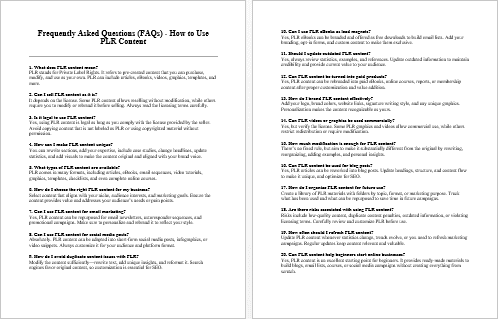
How to Use PLR Content – FAQs
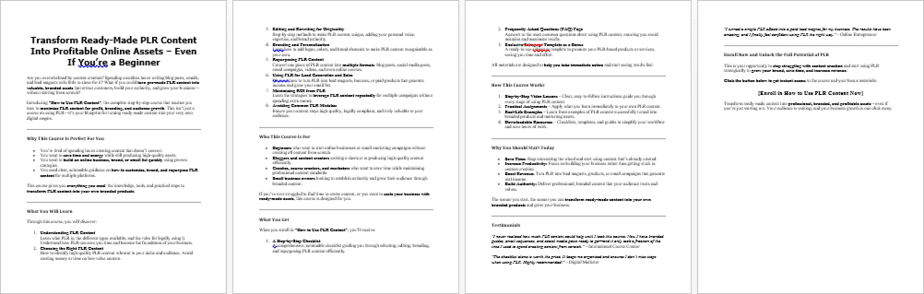
How to Use PLR Content – Salespage Content
Package Details:
Word Count: 29 932 Words
Number of Pages: 128
How to Use PLR Content – Bonus Content
Checklist
Word Count: 480 words
FAQs
Word Count: 679 words
Salespage Content
Word Count: 918 words
Total Word Count: 32 009 Words
Your PLR License Terms
PERMISSIONS: What Can You Do With These Materials?
Sell the content basically as it is (with some minor tweaks to make it “yours”).
If you are going to claim copyright to anything created with this content, then you must substantially change at 75% of the content to distinguish yourself from other licensees.
Break up the content into small portions to sell as individual reports for $10-$20 each.
Bundle the content with other existing content to create larger products for $47-$97 each.
Setup your own membership site with the content and generate monthly residual payments!
Take the content and convert it into a multiple-week “eclass” that you charge $297-$497 to access!
Use the content to create a “physical” product that you sell for premium prices!
Convert it to audios, videos, membership site content and more.
Excerpt and / or edit portions of the content to give away for free as blog posts, reports, etc. to use as lead magnets, incentives and more!
Create your own original product from it, set it up at a site and “flip” the site for megabucks!
RESTRICTIONS: What Can’t You Do With These Materials?
To protect the value of these products, you may not pass on the rights to your customers. This means that your customers may not have PLR rights or reprint / resell rights passed on to them.
You may not pass on any kind of licensing (PLR, reprint / resell, etc.) to ANY offer created from ANY PORTION OF this content that would allow additional people to sell or give away any portion of the content contained in this package.
You may not offer 100% commission to affiliates selling your version / copy of this product. The maximum affiliate commission you may pay out for offers created that include parts of this content is 75%.
You are not permitted to give the complete materials away in their current state for free – they must be sold. They must be excerpted and / or edited to be given away, unless otherwise noted. Example: You ARE permitted to excerpt portions of content for blog posts, lead magnets, etc.
You may not add this content to any part of an existing customer order that would not require them to make an additional purchase. (IE You cannot add it to a package, membership site, etc. that customers have ALREADY paid for.)
Share Now!
Latest Products


Free Sales Funnel Builder

Related Products
Popular & Trending
Featured Products