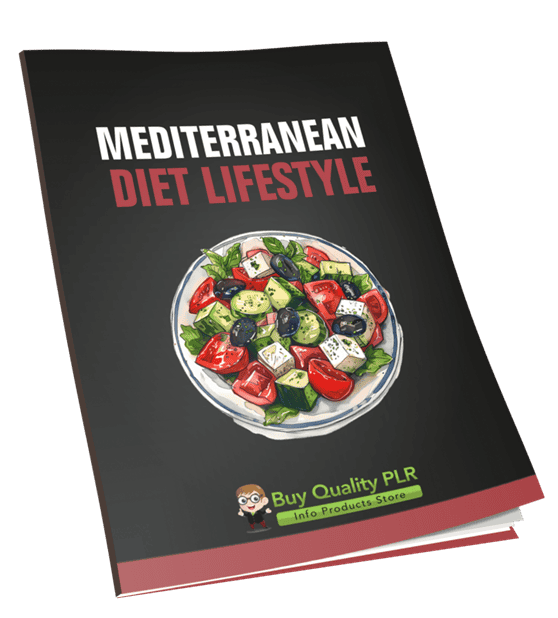
Mediterranean Diet Lifestyle PLR Course 33K Words
in Diet PLR , Dieting PLR Ebooks , Health PLR , Health PLR eBooks , Healthy Eating PLR Ebooks , PLR Checklists , PLR eBooks , PLR eCourses , PLR List Building Reports , Premium PLR , Premium PLR eBooks , Premium PLR Reports , Premium White Label Brandable PLR Coaching Courses , Private Label Rights ProductsChoose Your Desired Option(s)
has been added to your cart!
have been added to your cart!
#mediterraneandiet #mediterraneanlifestyle #plrcourse #plrcontent #plrproducts #healthyeating #nutrition #mealplanning #healthyrecipes #healthylifestyle #diettips
Mediterranean Diet Lifestyle PLR Course
Transform Your Health, Energy, and Wellness with the Mediterranean Way
Discover the Mediterranean Diet Lifestyle PLR Course, a 33,000-word, step-by-step program designed to help anyone understand, adopt, and enjoy the Mediterranean diet for long-term health, vitality, and wellness.
Whether you’re a health coach, wellness blogger, PLR reseller, or entrepreneur, this ready-to-use course gives you everything needed to educate, inspire, and monetize.
Presenting…
Mediterranean Diet Lifestyle PLR Course 33K Words
Why the Mediterranean Diet Lifestyle Works
The Mediterranean diet is more than a meal plan—it’s a science-backed lifestyle known to:
- Support heart health and cardiovascular wellness
- Aid weight management naturally
- Boost energy and vitality
- Promote mental clarity and overall wellness
- Encourage sustainable, lifelong habits
Unlike fad diets, the Mediterranean lifestyle is flexible, delicious, and enjoyable, making it easy to stick with for the long term.
What’s Inside the Mediterranean Diet Lifestyle Course
This course is divided into five comprehensive modules covering everything from nutrition to lifestyle habits:
Module 1: Introduction to the Mediterranean Diet
Objective: Get familiar with the diet, its principles, and why it works.
- Lesson 1: What is the Mediterranean Diet?
Learn the basics and why it’s considered one of the healthiest diets globally. - Lesson 2: Benefits of a Mediterranean Lifestyle
Understand its health advantages, from heart health to improved energy. - Lesson 3: Core Principles and Food Groups
Discover the essential foods: vegetables, fruits, olive oil, whole grains, legumes, fish, and moderate dairy. - Lesson 4: Debunking Myths About Mediterranean Eating
Clear up misconceptions like “it’s just pasta or seafood.”
Outcome: Students will understand why the Mediterranean diet works and how it fits into everyday life.
Module 2: Building Your Mediterranean Plate
Objective: Structure meals the Mediterranean way.
- Lesson 1: The Ideal Meal Composition
Learn the “plate ratio”: mostly plant-based, moderate protein, healthy fats. - Lesson 2: Choosing the Right Fats
Understand why olive oil, nuts, and seeds are essential and how to use them. - Lesson 3: Protein Choices Explained
Learn which proteins are ideal, including fish, poultry, legumes, and occasional dairy. - Lesson 4: Incorporating Whole Grains & Legumes
Include grains, beans, and lentils easily into daily meals.
Outcome: Students will plan and enjoy balanced, healthy Mediterranean meals effortlessly.
Module 3: Mediterranean Cooking Made Simple
Objective: Make meal prep easy, tasty, and sustainable.
- Lesson 1: Pantry Essentials for Mediterranean Cooking
Stock your kitchen with the right staples: herbs, olive oil, grains, and legumes. - Lesson 2: Simple Meal Prep Tips
Prepare meals ahead without stress or extra time. - Lesson 3: Quick Mediterranean Recipes
Easy recipes for breakfast, lunch, and dinner anyone can make. - Lesson 4: Flavor without Guilt
Use herbs, spices, and citrus instead of excess salt or sugar.
Outcome: Students will cook delicious, healthy meals without feeling restricted or overwhelmed.
Module 4: Lifestyle Habits for Mediterranean Living
Objective: Go beyond diet to embrace a full lifestyle.
- Lesson 1: Eating Mindfully
Learn to slow down, savor meals, and improve digestion. - Lesson 2: Physical Activity and Movement
Discover simple daily exercises for overall health. - Lesson 3: Social Eating & Community
Understand the importance of sharing meals with family and friends. - Lesson 4: Stress Management and Sleep
Explore relaxation, stress reduction, and proper sleep for wellness.
Outcome: Students will integrate habits that enhance long-term health and well-being.
Module 5: Maintaining Your Mediterranean Lifestyle
Objective: Build consistency and enjoy long-term results.
- Lesson 1: Setting Realistic Goals
Set practical, achievable Mediterranean lifestyle targets. - Lesson 2: Tracking Your Habits
Monitor meals, activity, and lifestyle changes easily. - Lesson 3: Overcoming Challenges
Tips for dining out, cravings, and busy schedules while staying on track. - Lesson 4: Making It a Lifelong Habit
Strategies to make Mediterranean living fun, enjoyable, and sustainable.
Outcome: Students will maintain and enjoy a Mediterranean lifestyle for life.
Bonus Materials
- Checklist (608 Words) – Quick reference for implementation.
- FAQs (802 Words) – Answers common questions for smooth adoption.
- Salespage (832 Words) – Ready-to-use marketing copy to sell the course.
Who Can Benefit from This PLR Course
- Health & Wellness Coaches – Offer clients a structured Mediterranean program.
- Nutrition Bloggers & Influencers – Create content, guides, and reports.
- PLR Resellers – Sell, bundle, or repurpose a premium lifestyle course.
- Individuals Focused on Health & Longevity – Learn how to adopt the Mediterranean diet.
Ways to Use & Profit from the Course
- Sell the Complete Course – Charge $297–$497 for full access.
- Split into Reports or Guides – Sell individual modules for $10–$20.
- Bundle With Other Health PLR Content – Offer premium packages for $47–$97.
- Create a Multi-Week Program – Offer a structured 4–12 week e-class.
- Membership Site Content – Generate recurring revenue with exclusive access.
- Physical Products – Convert into workbooks, journals, or planners.
- Lead Magnets & Blog Posts – Grow your email list and audience.
- Flip a Health/Nutrition Site – Build a niche site using the course content.
Licensing Terms
Permissions:
- Sell as-is or with minor edits.
- Claim copyright if 75%+ is rewritten.
- Break into smaller products for sale.
- Bundle with other PLR content for upsells.
Restrictions:
- Cannot pass PLR rights to customers.
- Max affiliate commission: 75%.
- Cannot give full course away for free.
- Cannot include in existing orders without extra purchase.
Why Buy from Buy Quality PLR
- 33,000 Words of Ready-to-Use Content – Complete course with lessons, exercises, and marketing assets.
- Actionable & Practical – Students can implement immediately.
- Comprehensive Curriculum – Covers diet, cooking, lifestyle habits, and long-term wellness.
- Marketing Assets Included – Checklist, FAQs, and sales page ready to use.
- Multiple Profit Opportunities – Sell online, create memberships, or bundle for higher value.
Bottom Line
The Mediterranean Diet Lifestyle PLR Course is a complete, ready-to-sell package that helps learners adopt a healthy lifestyle while giving you multiple ways to profit.
Empower your audience to enjoy better health, energy, and wellness with professional, editable PLR content today.
✅ Instant Access | Fully Editable | Step-by-Step Curriculum | High-Value PLR
has been added to your cart!
have been added to your cart!
Here A Sample of Mediterranean Diet Lifestyle PLR Course
Course Goal: To help learners understand, adopt, and enjoy the Mediterranean diet for long-term health, energy, and wellness.
Module 1: Introduction to the Mediterranean Diet
Objective: Get familiar with the Mediterranean diet, its principles, and why it works.
Lesson 1: What is the Mediterranean Diet?
Objective: Learn the basics of the Mediterranean diet and understand why it is considered one of the healthiest diets in the world.
Welcome to the very first lesson of your journey into the Mediterranean diet lifestyle. In this lesson, we will take a deep dive into understanding what the Mediterranean diet really is. We will look at its origins, the key principles that make it effective, and the reasons why it has gained global recognition as a model for healthy eating. By the end of this lesson, you will have a strong foundation and clarity on why this diet is more than just a meal plan—it’s a way of life.
Step 1: Understanding the Origin of the Mediterranean Diet
The Mediterranean diet is inspired by the traditional eating patterns of countries bordering the Mediterranean Sea, including Greece, Italy, Spain, and southern France. These regions have long been recognized for their inhabitants’ longevity and lower incidence of chronic diseases, especially heart disease.
Historically, the diet evolved from a combination of locally available foods, cultural traditions, and a lifestyle that emphasized community, outdoor activity, and mindful eating. People in these regions did not rely on processed foods or supplements. Instead, they consumed fresh, seasonal, and nutrient-dense foods that were naturally available in their environment.
The Mediterranean diet is not a rigid formula; it is flexible and adaptable. While there are common foods and principles, it encourages variety and enjoyment of natural foods. This adaptability is part of what makes it suitable for individuals from all over the world, regardless of location or cultural background.
Step 2: Defining the Mediterranean Diet
At its core, the Mediterranean diet focuses on plant-based foods, healthy fats, moderate amounts of protein, and limited processed foods. Unlike many fad diets, it is not about strict calorie counting or eliminating entire food groups. Instead, it encourages a balance of wholesome ingredients that nourish the body while promoting long-term health.
Key Components of the Mediterranean Diet:
- Vegetables and Fruits:
These form the foundation of every meal. They provide essential vitamins, minerals, antioxidants, and fiber. A typical Mediterranean plate is colorful and diverse, often including leafy greens, tomatoes, peppers, cucumbers, citrus fruits, berries, and seasonal vegetables. The emphasis is on fresh, whole produce rather than canned or processed options. - Whole Grains:
Whole grains such as brown rice, quinoa, barley, oats, whole wheat, and bulgur are preferred over refined grains. They provide sustained energy, fiber, and nutrients while supporting healthy digestion and stable blood sugar levels. - Healthy Fats:
The Mediterranean diet promotes the use of unsaturated fats rather than saturated or trans fats. Olive oil is the primary source of fat, known for its heart-protective properties. Nuts, seeds, and avocados are also encouraged for their healthy fat content and additional nutrients. - Protein from Fish, Legumes, and Moderate Dairy:
Fish and seafood are consumed regularly, offering high-quality protein and omega-3 fatty acids. Poultry, eggs, and dairy such as yogurt and cheese are eaten in moderation. Red meat is limited, often reserved for special occasions. Plant-based proteins from beans, lentils, and chickpeas play a significant role in providing fiber and essential amino acids. - Herbs and Spices:
Instead of relying on salt or sugar for flavor, the Mediterranean diet uses herbs, spices, garlic, and citrus to season foods. This enhances taste while providing additional health benefits from phytochemicals and antioxidants. - Wine in Moderation:
Moderate consumption of red wine, usually with meals, is a traditional element of the Mediterranean lifestyle. Typically, moderation means one glass per day for women and up to two glasses per day for men. It is important to note that this is optional and should only be considered for adults who consume alcohol responsibly. - Hydration:
Water is the primary beverage. Hydration is essential for overall health, digestion, and energy. Herbal teas and coffee in moderation are also included, with minimal sugary drinks.
Step 3: Why the Mediterranean Diet Works
The Mediterranean diet has gained worldwide acclaim due to its remarkable health benefits. Scientific research over several decades has demonstrated that following this diet can improve heart health, reduce the risk of chronic diseases, and support mental well-being.
Here’s why it works so effectively:
- Heart Health:
The high intake of monounsaturated fats from olive oil, omega-3 fatty acids from fish, and fiber from fruits, vegetables, and whole grains supports cardiovascular health. This combination has been shown to lower “bad” LDL cholesterol, reduce blood pressure, and decrease inflammation. - Weight Management:
Unlike diets that promote severe calorie restriction, the Mediterranean diet focuses on nutrient-dense foods that promote satiety. The fiber-rich vegetables, whole grains, and legumes keep you full for longer periods, reducing overeating. - Blood Sugar Regulation:
Whole grains and legumes have a low glycemic index, which helps regulate blood sugar levels. This makes the Mediterranean diet particularly beneficial for individuals with insulin resistance or type 2 diabetes. - Anti-Inflammatory Properties:
Chronic inflammation is linked to many diseases, including heart disease, diabetes, and arthritis. The Mediterranean diet, rich in antioxidants, polyphenols, and omega-3 fatty acids, helps reduce inflammation in the body. - Cognitive Health:
Emerging research suggests that this diet may support brain health and reduce the risk of cognitive decline with age. Nutrients such as omega-3 fatty acids, antioxidants, and vitamins found in vegetables and fruits play a protective role. - Longevity:
Populations adhering to Mediterranean eating patterns consistently show longer life expectancy and lower incidence of chronic diseases. This is attributed not just to the food itself but also to the overall lifestyle, including physical activity and social connections.
Step 4: Understanding the Mediterranean Lifestyle Beyond Food
It is important to recognize that the Mediterranean diet is not just a set of foods; it is a lifestyle. Eating patterns in the Mediterranean region are closely linked with other healthy habits, which enhance the diet’s effectiveness:
- Mindful Eating: Meals are eaten slowly and savored. This practice improves digestion, satisfaction, and prevents overeating.
- Physical Activity: Walking, cycling, gardening, and other forms of daily activity are common in Mediterranean cultures. Regular movement complements healthy eating to maintain optimal health.
- Social Connection: Meals are often shared with family and friends, which supports emotional well-being and encourages healthier eating habits.
- Balanced Approach: There is no obsession with dieting rules. Pleasure, variety, and moderation are key principles.
By adopting the Mediterranean diet, learners not only change what they eat but also embrace a lifestyle that encourages balance, enjoyment, and well-being.
Step 5: Common Misconceptions About the Mediterranean Diet
Many people think the Mediterranean diet is just about pasta, pizza, or red wine. In reality, the diet emphasizes balance, plant-based foods, and healthy fats. Here are some misconceptions to clarify for learners:
- It is not a low-fat diet. Healthy fats like olive oil, nuts, and avocados are encouraged.
- It is not a strict vegetarian diet. Fish, poultry, and dairy are included in moderation.
- It is not only about Mediterranean cuisine recipes. The principles can be applied with local, seasonal foods anywhere in the world.
- It is not a temporary diet. It is a sustainable, long-term lifestyle for overall health and longevity.
Step 6: How to Approach This Lesson as a Learner
To get the most out of this lesson, approach it step by step:
- Read and Reflect: Take time to understand the principles and reasoning behind the Mediterranean diet. Consider how it differs from your current eating habits.
- Visualize Your Plate: Think about a typical meal and imagine how you could include vegetables, whole grains, healthy fats, and protein in balance.
- Start Small: Identify one or two aspects of the diet you can implement immediately, such as adding olive oil to your salad or choosing whole grains instead of refined ones.
- Journal Your Learning: Keep notes on what resonates with you. Write down any questions or ideas for incorporating the Mediterranean lifestyle into your routine.
- Engage with the Lifestyle: Begin thinking beyond food—how can mindful eating, physical activity, and social meals be part of your daily life?
Step 7: Key Takeaways from Lesson 1
By the end of this lesson, learners should be able to:
- Define the Mediterranean diet and its origins.
- Identify the main food groups and principles of the diet.
- Understand why the Mediterranean diet is considered healthy and effective.
- Recognize that it is a lifestyle, not just a diet, including habits like mindful eating, physical activity, and social connection.
- Debunk common myths and misunderstandings about Mediterranean eating.
Step 8: Practical Reflection Exercise
To help solidify your learning, consider completing the following reflection exercise:
- Make a list of the foods you regularly eat.
- Compare this list with the key components of the Mediterranean diet.
- Identify 2-3 foods you could add or replace to align with Mediterranean principles.
- Consider your lifestyle habits—how can you introduce more mindful eating, activity, or social meals this week?
This exercise will help you begin implementing the Mediterranean diet mindset immediately, even before moving to the next lesson.
Step 9: Encouragement for Learners
Adopting the Mediterranean diet is not about perfection—it is about progress. The goal is to make small, sustainable changes that lead to long-term health and happiness. Encourage learners to approach this journey with curiosity and openness, knowing that every step toward a balanced, nutrient-rich lifestyle is a step toward improved well-being.
By focusing on the basics first—understanding the diet, its origins, and principles—learners will be equipped to gradually adopt healthier eating patterns and lifestyle habits that can last a lifetime.
This concludes Lesson 1: What is the Mediterranean Diet?. By understanding the foundations, you are ready to explore the benefits, food groups, and practical applications in the upcoming lessons. This knowledge sets the stage for making informed choices and embracing a lifestyle that promotes both health and enjoyment.
Lesson 2: Benefits of a Mediterranean Lifestyle
Objective: Understand the health benefits of the Mediterranean diet, including heart health, weight management, and improved energy.
Welcome to Lesson 2 of your journey into the Mediterranean diet lifestyle. In this lesson, we are going to explore the wide-ranging benefits of adopting the Mediterranean way of eating. Understanding these benefits will not only inspire you to follow the diet but will also provide the knowledge you need to educate others about its transformative effects.
The Mediterranean diet is more than a way of eating—it is a lifestyle approach that nurtures the body, supports mental health, and promotes longevity. This lesson will guide you step by step through the key benefits and the mechanisms behind them, so you can fully appreciate why this lifestyle is recommended by nutrition experts worldwide.
Step 1: Overview of the Mediterranean Lifestyle Benefits
The Mediterranean diet offers multiple benefits that go beyond simply nourishing the body. These benefits can be categorized into physical health, mental well-being, and lifestyle improvements. Some of the most notable advantages include:
- Heart health and reduced risk of cardiovascular disease
- Weight management and healthier body composition
- Stable energy levels throughout the day
- Improved cognitive function and brain health
- Better digestion and gut health
- Longevity and reduced risk of chronic diseases
- Enhanced overall well-being and quality of life
In the following steps, we will explore each of these benefits in detail and explain how the Mediterranean diet contributes to them.
Step 2: Heart Health and Cardiovascular Benefits
One of the most extensively studied benefits of the Mediterranean diet is its positive impact on heart health. Research has consistently shown that populations adhering to this diet have lower rates of heart disease, stroke, and high blood pressure compared with populations consuming a standard Western diet.
How the Mediterranean Diet Supports Heart Health:
- Healthy Fats from Olive Oil and Nuts:
Olive oil, the primary source of fat in this diet, is rich in monounsaturated fats, which help reduce low-density lipoprotein (LDL) cholesterol, commonly referred to as “bad cholesterol.” At the same time, it helps maintain high-density lipoprotein (HDL) cholesterol, known as “good cholesterol,” which removes excess cholesterol from the bloodstream. Nuts such as almonds, walnuts, and pistachios contribute similar heart-protective benefits. - Omega-3 Fatty Acids from Fish:
Fatty fish, such as salmon, mackerel, and sardines, are high in omega-3 fatty acids. These essential fats help reduce inflammation in the arteries, lower triglyceride levels, and decrease the risk of arrhythmias and other cardiovascular complications. - Antioxidant-Rich Foods:
Fruits, vegetables, and legumes contain antioxidants such as vitamins C and E, polyphenols, and flavonoids. These compounds protect blood vessels from oxidative stress and prevent the development of atherosclerosis, a condition in which plaque builds up inside the arteries. - Whole Grains and Fiber:
Whole grains, legumes, and vegetables provide soluble fiber, which helps lower cholesterol levels and supports overall heart health. Fiber also stabilizes blood sugar levels, reducing the risk of metabolic syndrome, which is a risk factor for cardiovascular disease.
The combination of these foods creates a synergistic effect, reducing the likelihood of heart-related illnesses and promoting long-term cardiovascular wellness.
Step 3: Weight Management and Healthy Body Composition
Another important benefit of the Mediterranean diet is its effectiveness for maintaining a healthy weight and body composition without extreme restriction or deprivation.
How the Mediterranean Diet Supports Weight Management:
- High Satiety from Fiber:
Foods such as vegetables, fruits, legumes, and whole grains are rich in fiber. Fiber slows digestion, promotes fullness, and helps prevent overeating, which naturally supports weight management. - Balanced Macronutrients:
The diet emphasizes moderate portions of protein, complex carbohydrates, and healthy fats. This balance helps regulate hunger hormones and reduces cravings for high-calorie, nutrient-poor foods. - Reduced Intake of Processed Foods:
Processed foods are often high in refined sugars and unhealthy fats, contributing to weight gain. By focusing on whole, unprocessed foods, the Mediterranean diet naturally limits excess calories while providing essential nutrients. - Sustainable Lifestyle Approach:
Unlike fad diets, which can be difficult to maintain, the Mediterranean diet encourages enjoyable and varied meals. This increases adherence over the long term and reduces the risk of rebound weight gain.
By following the Mediterranean eating pattern, individuals often find that weight management becomes easier and more sustainable, not through restriction, but by naturally eating in alignment with the body’s needs.
Step 4: Stable Energy Levels and Enhanced Vitality
Many people experience fluctuations in energy throughout the day due to diets high in refined sugars and processed foods. The Mediterranean diet provides sustained energy by focusing on nutrient-dense foods and balanced meals.
How the Diet Boosts Energy:
- Complex Carbohydrates for Steady Energy:
Whole grains, legumes, and vegetables provide complex carbohydrates that are digested slowly, releasing glucose gradually into the bloodstream. This prevents the energy spikes and crashes associated with refined sugars. - Protein for Sustained Fuel:
Moderate portions of protein from fish, poultry, dairy, and legumes stabilize blood sugar and support muscle repair and growth. Protein also contributes to a sense of satiety, preventing energy dips caused by overeating or snacking on sugary foods. - Healthy Fats for Long-Lasting Energy:
Monounsaturated fats from olive oil and polyunsaturated fats from nuts and seeds provide a steady source of energy. These fats are metabolized more slowly than carbohydrates, helping the body maintain energy levels over longer periods. - Hydration and Electrolytes:
Water, herbal teas, and fresh produce rich in water content contribute to proper hydration. Staying hydrated supports energy production and prevents fatigue caused by dehydration.
By nourishing the body with a combination of fiber, protein, and healthy fats, the Mediterranean diet helps individuals feel energized, alert, and ready to engage in daily activities.
Step 5: Cognitive and Brain Health
Emerging research indicates that the Mediterranean diet also supports brain health and may reduce the risk of cognitive decline as people age. The combination of healthy fats, antioxidants, and vitamins promotes optimal brain function.
Mechanisms for Cognitive Benefits:
- Omega-3 Fatty Acids:
Essential for brain cell structure and function, omega-3 fatty acids help improve memory, focus, and overall cognitive performance. - Antioxidants from Fruits and Vegetables:
Polyphenols and vitamins C and E protect the brain from oxidative stress, reducing the risk of neurodegenerative conditions such as Alzheimer’s disease. - B Vitamins from Whole Grains and Legumes:
These vitamins support the production of neurotransmitters and help maintain healthy brain function, mood, and mental clarity. - Reduced Inflammation:
Chronic inflammation negatively affects brain health. Anti-inflammatory foods like olive oil, nuts, and fish help protect neural pathways and support cognitive longevity.
Adopting the Mediterranean diet can therefore enhance mental performance, support mood regulation, and protect cognitive function throughout life.
Step 6: Digestive Health and Gut Wellness
Another less obvious but important benefit is the positive impact on digestive health. The Mediterranean diet encourages a diverse range of plant-based foods and probiotics, supporting a healthy gut microbiome.
Benefits for Digestion:
- High Fiber Intake:
Fiber-rich foods like vegetables, fruits, legumes, and whole grains promote regular bowel movements and prevent constipation. - Prebiotic and Probiotic Foods:
Yogurt, fermented foods, and fiber act as prebiotics and probiotics, nourishing healthy gut bacteria and improving digestion and nutrient absorption. - Reduced Processed Food Consumption:
Limiting refined sugars and processed foods reduces the risk of digestive disturbances and supports overall gut health.
A healthy gut not only improves digestion but also positively influences the immune system, energy levels, and even mental health.
Step 7: Longevity and Disease Prevention
Populations in Mediterranean regions consistently display increased life expectancy and lower rates of chronic diseases, making this diet a model for longevity.
Key Factors Contributing to Longevity:
- Lower Risk of Chronic Diseases:
Heart disease, type 2 diabetes, certain cancers, and obesity are less prevalent among those following Mediterranean eating patterns. - Anti-Inflammatory and Antioxidant Properties:
Regular consumption of plant-based foods, healthy fats, and spices reduces systemic inflammation, protecting against age-related diseases. - Balanced, Sustainable Approach:
By avoiding extreme dieting and focusing on wholesome foods, the Mediterranean lifestyle promotes a healthy, sustainable approach to living.
These factors collectively contribute to a longer, healthier life with a lower incidence of serious illnesses.
Step 8: Social and Emotional Well-Being
The benefits of the Mediterranean diet extend beyond physical health. Sharing meals, eating mindfully, and valuing quality time with family and friends are integral aspects of this lifestyle.
How Social Habits Enhance Well-Being:
- Community and Connection:
Sharing meals strengthens social bonds, reduces stress, and promotes a sense of belonging. - Mindful Eating:
Slowing down and enjoying meals enhances satisfaction and reduces overeating. - Reduced Stress Levels:
A lifestyle that values balance, pleasure, and social connection contributes to emotional resilience and overall happiness.
The Mediterranean lifestyle shows that health is not just about what you eat—it’s also about how you live, interact, and enjoy life.
Step 9: Summary and Key Takeaways
By the end of this lesson, learners should be able to:
- Explain the multiple health benefits of the Mediterranean diet, including heart health, weight management, energy stability, cognitive support, and digestive wellness.
- Understand the connection between anti-inflammatory foods, antioxidants, and disease prevention.
- Recognize that the Mediterranean diet is a holistic lifestyle, promoting social connection, mindfulness, and emotional well-being.
- Appreciate the scientific evidence supporting the Mediterranean lifestyle and its role in longevity.
Step 10: Reflection Exercise for Learners
To integrate this lesson into your daily life, consider the following steps:
- Identify Your Goals: Which benefits of the Mediterranean diet are most relevant to you—heart health, energy, weight management, or overall wellness?
- Assess Current Habits: Track your current eating and lifestyle patterns. Compare them with Mediterranean principles.
- Set Small, Achievable Changes: Introduce one or two beneficial foods or practices this week, such as adding a serving of vegetables to each meal or incorporating olive oil into cooking.
- Observe and Reflect: Note any changes in energy, mood, or digestion. This awareness will reinforce positive habits.
- Share with Others: Discuss your goals or experiences with friends or family to strengthen accountability and social connection.
By focusing on these benefits, learners can develop a deeper understanding of why the Mediterranean diet is more than a diet—it is a lifestyle that promotes health, longevity, and joy. Adopting even small elements of this approach can lead to meaningful improvements in well-being over time.
Lesson 3: Core Principles and Food Groups
Objective: Discover the key foods of the Mediterranean diet, including vegetables, fruits, olive oil, whole grains, legumes, fish, and moderate dairy.
Welcome to Lesson 3 of your journey into the Mediterranean diet lifestyle. In this lesson, we will explore the core principles and essential food groups that form the foundation of the Mediterranean way of eating. Understanding these principles will help you and your learners create balanced, nutrient-rich meals that support overall health, energy, and longevity.
The Mediterranean diet is not about strict rules or calorie counting. Instead, it emphasizes wholesome, natural foods, seasonal variety, and moderation. By following its core principles, you can design meals that are simple, flavorful, and nutritionally complete.
Step 1: Understanding the Core Principles of the Mediterranean Diet
Before we discuss specific foods, it is important to understand the overarching principles that guide this diet. These principles are simple, yet powerful, and provide the framework for building meals and lifestyle habits:
- Prioritize Plant-Based Foods:
Vegetables, fruits, legumes, and whole grains form the foundation of each meal. These foods are rich in vitamins, minerals, fiber, and antioxidants, providing the body with essential nutrients while reducing the risk of chronic diseases. - Choose Healthy Fats:
The Mediterranean diet promotes monounsaturated and polyunsaturated fats instead of saturated and trans fats. Olive oil, nuts, seeds, and fatty fish are preferred sources. Healthy fats support heart health, cognitive function, and overall energy. - Moderate Protein Intake:
Protein is consumed in moderation, with an emphasis on fish and seafood. Poultry, eggs, legumes, and dairy are included as part of a balanced approach, while red meat is limited. - Embrace Whole Grains:
Whole grains provide sustained energy, fiber, and micronutrients. They replace refined carbohydrates, promoting stable blood sugar and digestive health. - Flavor with Herbs and Spices:
Natural seasonings such as garlic, oregano, basil, rosemary, and turmeric enhance taste while reducing the need for excess salt or sugar. - Focus on Variety and Seasonal Foods:
Meals are diverse and colorful, incorporating seasonal produce. This ensures a wide range of nutrients and keeps meals enjoyable. - Eat Mindfully and Socially:
The Mediterranean lifestyle values slow eating, shared meals, and balance, which support both physical and mental well-being.
With these principles in mind, the next step is to explore the key food groups in detail, understanding their benefits and how to include them in everyday meals.
Step 2: Vegetables – The Cornerstone of Every Meal
Vegetables are the heart of the Mediterranean diet. They are nutrient-dense, low in calories, and packed with fiber, vitamins, minerals, and antioxidants.
Why Vegetables Are Essential:
- Rich in antioxidants such as vitamin C, carotenoids, and polyphenols, which protect cells from oxidative damage.
- Provide dietary fiber, which supports digestion, regulates blood sugar, and helps maintain a healthy weight.
- Contain essential vitamins and minerals, including potassium, magnesium, and folate, which support heart and brain health.
Tips for Including Vegetables:
- Variety is Key:
Aim to include a range of colors in each meal. Dark leafy greens, red peppers, tomatoes, eggplants, zucchini, carrots, and broccoli provide different nutrients and flavors. - Preparation Methods:
Vegetables can be roasted, steamed, grilled, sautéed, or eaten raw. Cooking methods that preserve nutrients, such as steaming or roasting at moderate temperatures, are ideal. - Daily Portions:
Try to fill half of your plate with vegetables at each meal. Snacking on raw vegetables like carrots, cucumbers, or bell peppers is also encouraged.
By making vegetables the main component of your meals, you ensure a strong foundation for health and longevity.
Step 3: Fruits – Nature’s Sweet Treat
Fruits are a key component of the Mediterranean diet, providing natural sweetness, fiber, and a wide array of micronutrients.
Benefits of Fruits:
- High in vitamins such as C and A, which support immune function and skin health.
- Contain antioxidants that reduce inflammation and oxidative stress.
- Provide natural sugars that offer a healthier alternative to refined sugars, promoting stable energy.
Tips for Including Fruits:
- Choose a Rainbow of Colors:
Include berries, oranges, apples, grapes, melons, and pomegranates. Each color offers unique phytonutrients. - Seasonal Choices:
Opt for fruits that are in season for peak flavor and nutrient content. - Incorporate Into Meals and Snacks:
Fruits can be eaten as a snack, added to breakfast cereals or yogurt, or included in salads and desserts.
Fruits provide essential nutrients and satisfy sweet cravings naturally, making them an indispensable part of a Mediterranean meal plan.
Step 4: Olive Oil – The Healthy Fat Hero
Olive oil is the primary source of fat in the Mediterranean diet and a symbol of this lifestyle. Unlike many diets that restrict fat, the Mediterranean approach encourages healthy fats for flavor and health.
Health Benefits of Olive Oil:
- High in monounsaturated fats, which improve heart health and reduce inflammation.
- Rich in antioxidants such as polyphenols, which protect against cellular damage.
- Supports brain health and may reduce the risk of cognitive decline.
Tips for Using Olive Oil:
- Cooking and Finishing:
Use extra virgin olive oil for drizzling over salads, vegetables, or cooked grains. It can also be used for sautéing at moderate temperatures. - Quantity Matters:
While healthy, olive oil is calorie-dense, so a moderate amount (1-2 tablespoons per meal) is sufficient. - Pair with Other Foods:
Olive oil enhances the absorption of fat-soluble vitamins from vegetables and adds flavor naturally, reducing the need for salt or butter.
By making olive oil your primary fat source, you promote heart health and enhance the taste of your meals.
Step 5: Whole Grains – Energy and Fiber
Whole grains provide sustained energy, fiber, and essential nutrients. Unlike refined grains, they maintain their natural components, including bran, germ, and endosperm.
Benefits of Whole Grains:
- Slow-digesting carbohydrates provide steady energy and prevent blood sugar spikes.
- High fiber content supports digestive health, satiety, and weight management.
- Provide essential vitamins and minerals, including B vitamins, magnesium, and selenium.
Tips for Including Whole Grains:
- Choose Unrefined Options:
Brown rice, quinoa, oats, barley, bulgur, farro, and whole wheat are excellent choices. - Versatile Uses:
Whole grains can be used in salads, side dishes, soups, breakfast cereals, or as a base for main meals. - Balance and Portioning:
Combine grains with vegetables, legumes, and lean proteins for balanced meals.
Whole grains provide the energy and nutrients necessary for sustained activity and overall health.
Step 6: Legumes – Plant-Based Protein Power
Legumes, including beans, lentils, chickpeas, and peas, are a staple of the Mediterranean diet. They are an excellent source of plant-based protein, fiber, and complex carbohydrates.
Benefits of Legumes:
- Support healthy digestion with soluble and insoluble fiber.
- Provide essential protein for muscle repair and overall health.
- Help regulate blood sugar levels and reduce cholesterol.
Tips for Including Legumes:
- Versatility:
Legumes can be added to salads, soups, stews, or made into spreads like hummus. - Consistency:
Aim to include legumes several times per week as a protein source, especially when reducing meat intake. - Soaking and Cooking:
Soaking dried beans and cooking them properly improves digestibility and nutrient absorption.
Legumes are a cost-effective, nutrient-dense protein that supports heart health, digestive wellness, and sustainable eating.
Step 7: Fish and Seafood – Lean Protein for Heart and Brain
Fish and seafood are consumed regularly in the Mediterranean diet, offering high-quality protein and essential fatty acids.
Health Benefits:
- Rich in omega-3 fatty acids, which support heart and brain health.
- Provide lean protein that aids muscle maintenance and repair.
- Contain essential minerals such as iodine, selenium, and zinc.
Tips for Including Fish:
- Frequency:
Include fish or seafood at least twice a week. Fatty fish like salmon, sardines, or mackerel are ideal for omega-3 intake. - Cooking Methods:
Grilling, baking, steaming, or poaching are preferred over deep-frying. - Pairing:
Serve with vegetables, whole grains, and olive oil to complete a balanced Mediterranean meal.
Step 8: Moderate Dairy – Nourishment in Balance
Dairy, mainly in the form of yogurt and cheese, is consumed in moderation in the Mediterranean diet. It provides calcium, protein, and probiotics for gut health.
Benefits of Dairy:
- Supports bone health with calcium and vitamin D.
- Provides protein for satiety and muscle maintenance.
- Fermented dairy products contribute probiotics for digestive wellness.
Tips for Including Dairy:
- Choose Quality Sources:
Opt for plain, unsweetened yogurt and natural cheeses in moderate amounts. - Frequency:
Include dairy a few times per week, complementing plant-based meals. - Portion Size:
Use small servings to enhance flavor and nutrition without overconsumption.
Step 9: Putting It All Together
When building a Mediterranean-style meal:
- Fill half of your plate with vegetables.
- Include a portion of whole grains or legumes.
- Add a moderate serving of fish, poultry, or dairy.
- Use olive oil as your primary fat source.
- Season with herbs, spices, and citrus for flavor.
- Include fresh fruits as dessert or snacks.
This combination ensures a balanced, nutrient-rich meal that supports heart health, weight management, energy, and longevity.
Step 10: Reflection and Practice Exercise
To integrate this lesson into daily life, complete the following exercise:
- List the key food groups discussed: vegetables, fruits, olive oil, whole grains, legumes, fish, and moderate dairy.
- Examine your current eating habits and identify which groups you consume regularly and which need more attention.
- Plan a single day of meals incorporating all core food groups.
- Prepare one meal using these principles and observe the taste, satisfaction, and energy levels.
- Journal your reflections and adjustments for future meals.
By mastering the core principles and food groups of the Mediterranean diet, learners can confidently design meals that are nutrient-dense, satisfying, and aligned with the Mediterranean lifestyle. This understanding is the foundation for building a sustainable, health-promoting way of eating.
We’re also giving these extra bonuses
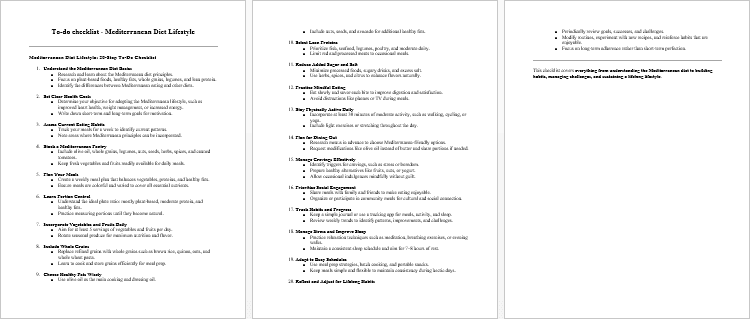
Mediterranean Diet Lifestyle – Checklist
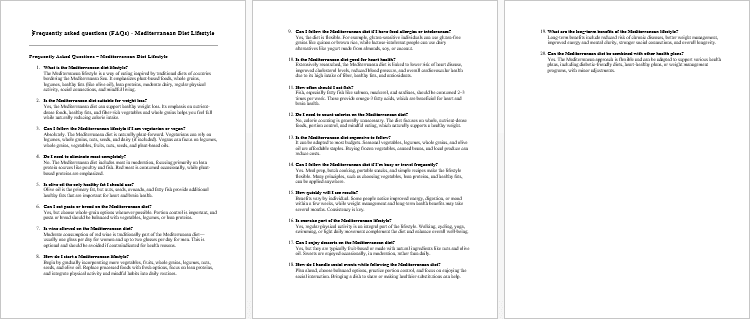
Mediterranean Diet Lifestyle – FAQs
Mediterranean Diet Lifestyle – Salespage Content
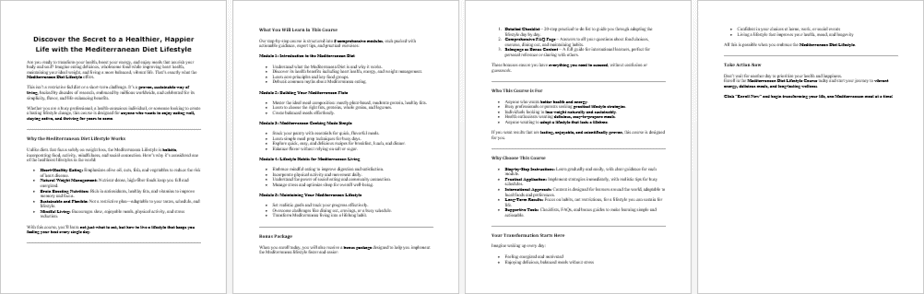
Package Details:
Word Count: 31 128 Words
Number of Pages: 140
Mediterranean Diet Lifestyle – Bonus Content
Checklist
Word Count: 608 words
FAQs
Word Count: 802 words
Salespage Content
Word Count: 832 words
Total Word Count: 33 370 Words
Your PLR License Terms
PERMISSIONS: What Can You Do With These Materials?
Sell the content basically as it is (with some minor tweaks to make it “yours”).
If you are going to claim copyright to anything created with this content, then you must substantially change at 75% of the content to distinguish yourself from other licensees.
Break up the content into small portions to sell as individual reports for $10-$20 each.
Bundle the content with other existing content to create larger products for $47-$97 each.
Setup your own membership site with the content and generate monthly residual payments!
Take the content and convert it into a multiple-week “eclass” that you charge $297-$497 to access!
Use the content to create a “physical” product that you sell for premium prices!
Convert it to audios, videos, membership site content and more.
Excerpt and / or edit portions of the content to give away for free as blog posts, reports, etc. to use as lead magnets, incentives and more!
Create your own original product from it, set it up at a site and “flip” the site for megabucks!
RESTRICTIONS: What Can’t You Do With These Materials?
To protect the value of these products, you may not pass on the rights to your customers. This means that your customers may not have PLR rights or reprint / resell rights passed on to them.
You may not pass on any kind of licensing (PLR, reprint / resell, etc.) to ANY offer created from ANY PORTION OF this content that would allow additional people to sell or give away any portion of the content contained in this package.
You may not offer 100% commission to affiliates selling your version / copy of this product. The maximum affiliate commission you may pay out for offers created that include parts of this content is 75%.
You are not permitted to give the complete materials away in their current state for free – they must be sold. They must be excerpted and / or edited to be given away, unless otherwise noted. Example: You ARE permitted to excerpt portions of content for blog posts, lead magnets, etc.
You may not add this content to any part of an existing customer order that would not require them to make an additional purchase. (IE You cannot add it to a package, membership site, etc. that customers have ALREADY paid for.)
Share Now!
Latest Products





Free Sales Funnel Builder

Related Products

Popular & Trending

Featured Products