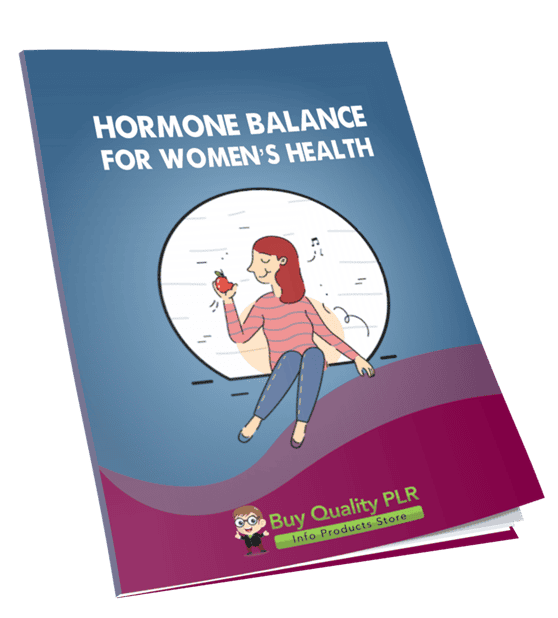
Hormone Balance for Women’s Health PLR Course 31k Words
in Health PLR , PLR eCourses , PLR List Building Reports , Premium PLR , Premium PLR Reports , Premium White Label Brandable PLR Coaching Courses , Private Label Rights Products , Wellness PLR , Womens Health PLRChoose Your Desired Option(s)
has been added to your cart!
have been added to your cart!
#hormonebalance #womenshealth #plrcourse #wellnessmarketing #healthandwellness #naturalhealth #plrcontent #holisticwellness
Hormone Balance for Women’s Health PLR Course (31,000 Words)
A Complete, Beginner-Friendly Guide to Understanding and Supporting Hormones Naturally
Women everywhere are searching for answers.
They’re dealing with fatigue that won’t go away… mood swings that feel unpredictable… stubborn weight gain… irregular cycles… poor sleep… anxiety… and a constant feeling that something is “off.”
More often than not, hormones are at the center of it all.
The Hormone Balance for Women’s Health PLR Course is a comprehensive, 31,000-word training program designed to help women understand their hormones and take practical, natural steps toward balance.
If your audience includes women interested in wellness, natural health, self-care, nutrition, fitness, or personal development, this course positions you perfectly in one of the fastest-growing health markets today.
This isn’t a dry medical textbook.
It’s written in a supportive, empowering tone — like a knowledgeable mentor guiding women step-by-step toward feeling energized, stable, and in tune with their bodies again.
And now, you can offer it under your own brand.
Introducing the…
Hormone Balance for Women’s Health
Why Hormone Health Is a Powerful Market Opportunity
Hormonal imbalance is no longer a hidden topic.
Women are actively searching for:
- Natural hormone balance solutions
- PMS and cycle support
- Perimenopause and menopause relief
- Thyroid health information
- Stress and cortisol management
- Energy and mood stabilization
- Nutrition plans for hormonal support
The problem? Most information online is either overly clinical, confusing, or extreme.
This course bridges the gap.
It delivers clear, practical, beginner-friendly guidance that women can actually apply in real life.
As a PLR buyer, you gain access to a high-demand topic packaged into a complete educational experience — ready for you to customize, brand, and monetize.
What’s Included in the Hormone Balance for Women’s Health PLR Course?
You receive a fully structured, professionally written 31,000-word course, organized into five in-depth modules.
Each module builds logically upon the previous one, guiding learners from foundational understanding to personalized hormone support planning.
Let’s break it down.
Module 1: Understanding Women’s Hormones
Before women can balance hormones, they must understand them.
This foundational module explains hormones in clear, simple language — without overwhelming scientific jargon.
Lesson 1: Introduction to Hormones
Students learn:
- What hormones are
- How they function as chemical messengers
- Why they affect nearly every system in the body
- How hormonal shifts impact mood, metabolism, sleep, and energy
This lesson creates clarity and reduces fear.
Lesson 2: Key Hormones in Women
A deep dive into major hormones, including:
- Estrogen
- Progesterone
- Testosterone
- Thyroid hormones
- Cortisol
Each hormone’s role is explained clearly, helping women understand how balance (not elimination) is the goal.
Lesson 3: Signs of Hormonal Imbalance
Women learn to recognize common symptoms such as:
- Chronic fatigue
- Brain fog
- Irritability
- Anxiety
- Weight changes
- Acne
- Irregular cycles
- Low libido
This lesson helps women connect symptoms to possible hormonal causes.
Lesson 4: Hormones and Life Stages
Hormones evolve over time.
This lesson covers:
- Puberty
- Menstruation
- Pregnancy
- Postpartum
- Perimenopause
- Menopause
Women gain reassurance that hormonal changes are normal — but manageable.
Module 2: Nutrition for Hormone Balance
Food is one of the most powerful tools for hormone support.
This module teaches women how to use nutrition strategically.
Lesson 1: Hormone-Friendly Foods
Students learn which foods support:
- Estrogen balance
- Progesterone production
- Thyroid function
- Adrenal health
Whole foods, fiber, healthy fats, and protein balance are emphasized in practical ways.
Lesson 2: Foods to Avoid
Women discover how certain foods may disrupt hormone balance, including:
- Processed sugars
- Refined carbohydrates
- Artificial additives
- Excess alcohol
- Highly processed oils
The approach is balanced — not restrictive or extreme.
Lesson 3: Meal Planning for Hormone Health
This lesson provides:
- Balanced plate guidelines
- Sample meal structures
- Tips for blood sugar stabilization
- Easy food swaps
The focus is sustainable nutrition, not dieting.
Lesson 4: Supplements and Herbs
An introductory guide to:
- Common hormone-supporting supplements
- Herbal options
- Safety considerations
Women are encouraged to approach supplementation responsibly.
Module 3: Lifestyle Strategies to Support Hormones
Hormones are deeply influenced by daily habits.
This module focuses on realistic lifestyle improvements.
Lesson 1: Sleep and Hormone Regulation
Sleep is foundational.
Students learn:
- How sleep impacts cortisol, insulin, and reproductive hormones
- Bedtime routines that improve rest
- Tips for reducing nighttime stress
Lesson 2: Stress Management
Chronic stress disrupts hormonal balance.
This lesson includes:
- Meditation basics
- Deep breathing techniques
- Mindfulness practices
- Simple stress-reduction routines
Lesson 3: Exercise and Hormones
Women learn how different forms of movement affect hormones:
- Strength training
- Cardio
- Yoga
- Low-impact movement
It explains why overtraining can be harmful and how to find balance.
Lesson 4: Environmental Factors
This lesson introduces:
- Common environmental toxins
- Household product awareness
- Practical ways to reduce exposure
Small changes can create meaningful impact.
Module 4: Tracking and Understanding Your Cycle
Awareness is empowerment.
This module teaches women how to tune into their monthly hormonal rhythm.
Lesson 1: Understanding Your Menstrual Cycle
A breakdown of:
- Follicular phase
- Ovulation
- Luteal phase
- Menstruation
Hormone fluctuations are explained clearly and simply.
Lesson 2: Cycle Tracking Basics
Women learn how to track:
- Period timing
- Energy levels
- Mood changes
- Physical symptoms
Tracking builds insight and self-awareness.
Lesson 3: Using Your Cycle to Optimize Life
Students discover how to:
- Plan workouts around cycle phases
- Adjust nutrition
- Schedule demanding work tasks
- Prioritize rest when needed
This lesson turns biology into strategy.
Lesson 4: When to Seek Professional Help
Women are guided on when symptoms require medical evaluation — reinforcing responsible health decisions.
Module 5: Creating Your Personalized Hormone Balance Plan
Knowledge is powerful — but implementation creates results.
This final module pulls everything together.
Lesson 1: Setting Goals for Hormonal Health
Students define:
- Energy goals
- Mood stability goals
- Sleep improvements
- Cycle regulation targets
Lesson 2: Building Your Daily Routine
A step-by-step guide to integrating:
- Nutrition
- Movement
- Stress management
- Sleep hygiene
Lesson 3: Monitoring Progress
Women learn how to:
- Track improvements
- Identify patterns
- Adjust strategies
Lesson 4: Staying Motivated and Consistent
This lesson addresses:
- Setbacks
- Patience
- Long-term mindset
- Sustainable change
By the end of the course, women have a customized, practical hormone support plan.
Bonus Materials Included
You also receive:
- Hormone Balance for Women’s Health Checklist (349 Words)
- Hormone Balance for Women’s Health FAQs (734 Words)
- Hormone Balance for Women’s Health Salespage (769 Words)
These assets help you launch faster and market effectively.
Who Is This PLR Course Perfect For?
This course is ideal for:
- Women’s health bloggers
- Wellness coaches
- Nutrition educators
- Fitness professionals
- Holistic practitioners
- Menopause support brands
- Self-care influencers
- Membership site owners
If your audience includes women seeking better energy, emotional balance, and hormonal understanding — this product fits perfectly.
Profitable Ways to Use and Monetize This Course
The monetization flexibility is significant.
1. Sell It with Minor Branding Edits
Add your logo, adjust tone slightly, and launch.
2. Create a Premium Multi-Week Program
Turn it into a 6–8 week hormone balance eCourse priced at $297–$497.
3. Break It Into Mini Guides
Sell modules individually for $10–$20.
4. Bundle with Other Women’s Health Products
Combine with meal plans, fitness programs, or mindfulness courses and sell for $47–$97.
5. Build a Women’s Wellness Membership
Release one module per month for recurring income.
6. Convert into Video or Audio Trainings
Record lessons as webinars or workshops.
7. Create a Printed Hormone Planner
Turn the content into a physical workbook or tracking journal.
8. Use Sections as Lead Magnets
Offer excerpts as free downloads to build your email list.
9. Build and Flip a Hormone Health Brand
Develop a niche authority site and sell it for profit later.
Licensing Summary
You CAN:
- Sell the content with minor tweaks
- Substantially rewrite (75%+) and claim copyright
- Break into smaller reports
- Bundle with other content
- Convert to video, audio, or memberships
- Sell physical versions
- Use excerpts as lead magnets
- Build and flip a brand
You CANNOT:
- Pass PLR or resale rights to customers
- Transfer licensing rights
- Offer 100% affiliate commissions (maximum 75%)
- Give away the complete course in current form
- Add it to existing paid packages without requiring a new purchase
These restrictions protect product value and maintain profitability.
Why Buy from Buy Quality PLR?
When you purchase from Buy Quality PLR, you receive:
- Professionally structured content
- Beginner-friendly explanations
- High-demand niche topics
- Strong lesson progression
- Immediate monetization flexibility
- Substantial word count and depth
This isn’t surface-level content. It’s a comprehensive women’s wellness course ready to position you as a trusted authority.
The Bottom Line
Women are searching for answers about their hormones.
They want clarity. They want energy. They want balance.
With the Hormone Balance for Women’s Health PLR Course, you can provide that guidance — without spending months writing it yourself.
If you’re ready to expand your wellness product line, serve women with meaningful education, and unlock powerful new revenue streams, this course is your next smart investment.
Get the Hormone Balance for Women’s Health PLR Course Today
Available Now at Buy Quality PLR
Empower women. Build authority. Grow your income.
has been added to your cart!
have been added to your cart!
Here A Sample of the Hormone Balance for Women’s Health PLR Course
This course is designed to help women understand their hormones, how they affect health, and practical steps to achieve balance naturally. Each module is filled with actionable strategies, simple explanations, and empowering guidance. By the end of this course, you’ll feel confident in managing your hormonal health, boosting energy, mood, and overall well-being.
Module 1: Understanding Women’s Hormones
Goal: Build a solid foundation by learning what hormones are and how they affect your body.
Lesson 1: Introduction to Hormones
Welcome to the first lesson of your journey into understanding women’s hormones. This lesson is designed to give you a strong foundation in the fundamental concepts of hormones—the chemical messengers that regulate nearly every aspect of your physical, mental, and emotional well-being. By the end of this lesson, you will have a clear understanding of what hormones are, why they are critical to women’s health, and how they influence the body in both subtle and significant ways.
Step 1: Understanding the Definition of Hormones
Hormones are chemical messengers produced by glands in the endocrine system. They travel through the bloodstream to tissues and organs, where they regulate a wide array of bodily functions. Think of hormones as the communication network of the body. Without them, the body would struggle to maintain balance or respond effectively to internal or external changes.
To put it simply, hormones instruct cells and organs on what to do, when to do it, and how much to do it. For example, insulin regulates blood sugar, cortisol responds to stress, and estrogen supports reproductive health. Even minor fluctuations in hormone levels can produce noticeable effects in your energy, mood, sleep, and metabolism.
Hormones are unique because they work in very small amounts. Despite being present in tiny concentrations, their impact on the body is profound. This is why even slight imbalances can lead to symptoms that affect quality of life.
Step 2: Why Hormones Matter in Women’s Health
Women’s hormones play a central role in maintaining health across all stages of life—from adolescence, through reproductive years, pregnancy, perimenopause, and menopause. Hormones influence almost every system in the body:
- Reproductive Health: Estrogen and progesterone regulate menstrual cycles, ovulation, fertility, and pregnancy. These hormones ensure that reproductive organs function properly and that the body can respond to reproductive signals.
- Metabolism and Weight Management: Hormones such as insulin, leptin, and thyroid hormones regulate how your body stores and uses energy. Imbalances in these hormones can lead to weight gain, fatigue, or difficulty losing weight.
- Mood and Emotional Well-Being: Neurotransmitters like serotonin and dopamine, influenced by estrogen and progesterone, impact mood, motivation, and emotional stability. This is why hormonal fluctuations can lead to mood swings, anxiety, or depression in some women.
- Sleep Regulation: Melatonin, cortisol, and other hormones control sleep-wake cycles. Imbalances can cause difficulty falling asleep, staying asleep, or feeling rested, which further affects overall health.
- Immune Function: Hormones regulate immune response and inflammation. For example, estrogen has a modulating effect on the immune system, protecting against certain illnesses while sometimes making women more susceptible to autoimmune conditions.
- Bone and Heart Health: Estrogen protects bones and cardiovascular health. Declining estrogen levels, especially during menopause, increase the risk of osteoporosis and cardiovascular disease.
Understanding the importance of hormones in women’s health is the first step toward proactive management of your well-being. When you grasp why hormones matter, it becomes easier to recognize the signs of imbalance and take actionable steps to restore balance.
Step 3: How Hormones Influence Physical Health
Hormones affect nearly every organ system in the body. Let’s break down some of the major systems and how hormones play a role in their proper functioning.
- Reproductive System:
- Estrogen and progesterone are the primary reproductive hormones in women.
- Estrogen is responsible for the development of secondary sexual characteristics, including breast tissue and the menstrual cycle.
- Progesterone prepares the uterus for pregnancy and maintains pregnancy when it occurs.
- Testosterone, while present in smaller amounts in women, contributes to libido, bone strength, and muscle mass.
- Metabolism:
- Thyroid hormones (T3 and T4) regulate the body’s metabolic rate.
- Insulin helps control blood sugar levels and energy storage.
- Leptin and ghrelin regulate hunger and satiety, influencing body weight and appetite.
- Cardiovascular System:
- Estrogen supports the elasticity of blood vessels and healthy cholesterol levels.
- Cortisol, the stress hormone, affects blood pressure and heart function when chronically elevated.
- Musculoskeletal System:
- Estrogen and testosterone maintain bone density and muscle mass.
- Growth hormone influences tissue repair, muscle growth, and overall body strength.
- Skin and Hair:
- Androgens affect hair growth patterns and oil production.
- Estrogen contributes to skin elasticity and hydration.
By influencing these systems, hormones ensure that your body functions optimally. When hormonal balance is disrupted, it can manifest as fatigue, weight changes, digestive issues, hair thinning, or skin problems.
Step 4: How Hormones Influence Emotional Health
Hormones not only regulate physical health—they are deeply intertwined with emotional and mental well-being. Understanding this connection is key to recognizing patterns and triggers for emotional changes.
- Mood Regulation:
- Estrogen increases serotonin production, the neurotransmitter associated with happiness.
- Progesterone has a calming effect and influences GABA receptors in the brain, which reduces anxiety.
- Fluctuations in these hormones during menstrual cycles can lead to premenstrual syndrome (PMS), characterized by irritability, mood swings, or depression.
- Stress Response:
- Cortisol is released in response to stress and prepares the body to react.
- Chronic stress leads to persistently high cortisol levels, which can disrupt sleep, digestion, and reproductive hormones.
- High cortisol also affects thyroid function and can lead to fatigue or weight gain.
- Cognitive Function:
- Estrogen improves memory, learning, and verbal skills.
- Progesterone has neuroprotective effects, supporting brain health.
- Imbalances can lead to brain fog, poor concentration, or difficulty recalling information.
By understanding how hormones influence emotional health, you can better anticipate mood changes, manage stress effectively, and maintain a more balanced mental state.
Step 5: Common Factors That Affect Hormone Balance
Several lifestyle, environmental, and biological factors can affect hormone production and balance. Being aware of these factors allows you to take proactive measures to support your hormonal health.
- Diet and Nutrition:
- Excess sugar, processed foods, and unhealthy fats can disrupt insulin and cortisol levels.
- Nutrient deficiencies, such as low magnesium, zinc, or vitamin D, can impair hormone synthesis.
- Stress Levels:
- Chronic stress triggers the adrenal glands to produce cortisol continuously.
- This prolonged stress can suppress reproductive hormones and interfere with thyroid function.
- Sleep Quality:
- Poor or irregular sleep patterns disrupt melatonin and cortisol rhythms.
- Sleep deprivation also affects appetite hormones, leading to cravings and potential weight gain.
- Environmental Toxins:
- Chemicals in plastics, pesticides, and personal care products can act as endocrine disruptors.
- These disruptors can mimic or block natural hormones, leading to imbalances.
- Age and Life Stages:
- Hormones naturally fluctuate during puberty, pregnancy, postpartum, and menopause.
- Understanding these patterns is critical for maintaining balance at each stage of life.
By identifying the factors that affect your hormones, you can start making conscious decisions that positively influence your overall health and well-being.
Step 6: Recognizing the Signs of Hormonal Imbalance
Before you can balance hormones, you need to recognize when something is off. Some common signs of hormonal imbalance in women include:
- Irregular or absent menstrual cycles
- Hot flashes or night sweats
- Fatigue or low energy
- Weight gain or difficulty losing weight
- Mood swings, anxiety, or depression
- Hair thinning or excessive hair growth
- Skin changes, including acne or dryness
- Poor sleep quality
Paying attention to these signs is the first step toward identifying imbalances and taking corrective action through lifestyle adjustments, nutrition, or professional guidance.
Step 7: The Importance of a Holistic Approach
Hormones work as part of a complex system. Addressing hormone health requires a holistic approach that combines:
- Nutrition and hydration
- Stress management techniques
- Quality sleep
- Physical activity
- Environmental awareness
- Mind-body practices, such as meditation or yoga
A holistic approach ensures that all aspects of your life support hormone balance rather than focusing on a single factor in isolation.
Step 8: Practical Takeaways from This Lesson
- Hormones are chemical messengers that regulate almost every function in the body.
- Women’s hormones affect reproductive health, metabolism, mood, sleep, immune function, and more.
- Hormonal balance is influenced by diet, stress, sleep, environment, and life stages.
- Recognizing signs of imbalance early allows for proactive management.
- A holistic approach is key to long-term hormone health and overall well-being.
Understanding the basics of hormones lays the groundwork for the rest of this course. From here, you will dive deeper into the key hormones in women’s health, learn how to identify imbalances, and explore natural strategies to support optimal hormone function.
This concludes Lesson 1: Introduction to Hormones. By grasping these foundational concepts, you are now ready to explore the major hormones in women’s health in detail and start understanding their specific roles and interactions in your body.
Lesson 2: Key Hormones in Women
Welcome to Lesson 2 of Module 1: Understanding Women’s Hormones. In this lesson, we will explore the key hormones that influence women’s health and wellbeing. By the end of this lesson, you will have a comprehensive understanding of the major hormones—how they function, the roles they play in the body, and what happens when they are out of balance. This knowledge is essential for anyone looking to optimize hormone health or create effective health programs for women.
Step 1: Introduction to Key Hormones in Women
Hormones are chemical messengers produced by glands in the endocrine system. They regulate nearly every process in the body, including metabolism, reproduction, mood, energy levels, sleep, and stress response. While there are dozens of hormones that influence women’s health, the most significant ones include:
- Estrogen
- Progesterone
- Testosterone
- Thyroid Hormones (T3 and T4)
- Cortisol
Each of these hormones has a unique role, but they also work in concert with each other to maintain overall balance. Understanding their individual functions and interactions is essential for recognizing imbalances and supporting hormone health.
Step 2: Estrogen – The Primary Female Hormone
Overview:
Estrogen is often considered the primary female hormone, though it is present in both men and women. In women, estrogen plays a critical role in reproductive health, bone density, cardiovascular health, and mood regulation.
Sources:
Estrogen is primarily produced in the ovaries, with smaller amounts produced by the adrenal glands and fat tissues.
Functions:
- Reproductive Health: Estrogen regulates the menstrual cycle, promotes the growth of the uterine lining, and supports fertility.
- Bone Health: It maintains bone density by regulating calcium absorption and supporting bone-forming cells.
- Cardiovascular Protection: Estrogen helps maintain healthy cholesterol levels and supports vascular elasticity, reducing cardiovascular risk.
- Skin and Hair Health: It promotes collagen production, keeping skin elastic and hydrated, and influences hair growth patterns.
- Mood and Cognitive Function: Estrogen affects serotonin levels, which are critical for mood regulation, memory, and cognitive function.
Signs of Imbalance:
- Low estrogen: irregular periods, hot flashes, night sweats, mood swings, vaginal dryness, decreased bone density.
- High estrogen: weight gain (particularly around the hips and thighs), breast tenderness, mood swings, heavy or irregular periods.
Practical Insight:
Estrogen levels naturally fluctuate throughout the menstrual cycle and life stages, peaking in the reproductive years and declining during perimenopause and menopause. Understanding these fluctuations is key to managing symptoms and maintaining overall health.
Step 3: Progesterone – The Balancing Hormone
Overview:
Progesterone is a hormone that balances the effects of estrogen. It plays a vital role in regulating the menstrual cycle, supporting pregnancy, and maintaining hormonal harmony.
Sources:
Progesterone is primarily produced in the ovaries after ovulation, with additional production by the adrenal glands and placenta during pregnancy.
Functions:
- Menstrual Cycle Regulation: Progesterone prepares the uterine lining for potential pregnancy and supports implantation if fertilization occurs.
- Pregnancy Support: Progesterone maintains the uterine environment during pregnancy and prevents contractions in early gestation.
- Mood Regulation: Progesterone has calming effects on the brain by enhancing GABA receptor activity, which reduces anxiety and promotes relaxation.
- Sleep Support: Progesterone contributes to restful sleep by influencing melatonin production.
Signs of Imbalance:
- Low progesterone: irregular periods, difficulty conceiving, PMS symptoms, anxiety, insomnia, mood swings.
- High progesterone: fatigue, bloating, mood swings, breast tenderness.
Practical Insight:
Progesterone is critical for balancing estrogen levels. When estrogen dominates without adequate progesterone, women may experience symptoms of “estrogen dominance,” such as weight gain, mood swings, and irregular cycles.
Step 4: Testosterone – The Feminine Androgen
Overview:
Testosterone is commonly associated with men, but it is also essential for women’s health. It influences libido, bone and muscle health, energy, and mood.
Sources:
In women, testosterone is produced in the ovaries and adrenal glands, with smaller amounts converted from other hormones.
Functions:
- Libido and Sexual Health: Testosterone plays a key role in sexual desire and arousal.
- Muscle and Bone Strength: It supports muscle mass, strength, and bone density, contributing to physical performance and metabolic rate.
- Mood and Cognitive Function: Testosterone influences motivation, energy levels, and mental clarity.
- Metabolic Health: It helps regulate fat distribution and insulin sensitivity.
Signs of Imbalance:
- Low testosterone: reduced libido, fatigue, loss of muscle mass, mood changes, brain fog.
- High testosterone: unwanted hair growth (hirsutism), acne, irregular periods, and sometimes hair thinning on the scalp.
Practical Insight:
Maintaining optimal testosterone levels is essential for women’s overall energy, metabolism, and sexual health. Balancing testosterone with other hormones like estrogen and progesterone is crucial to avoid undesirable symptoms.
Step 5: Thyroid Hormones – Metabolism Regulators
Overview:
Thyroid hormones, primarily triiodothyronine (T3) and thyroxine (T4), are produced by the thyroid gland in the neck. These hormones control metabolism, energy production, and the functioning of nearly every organ system.
Sources:
The thyroid gland produces T3 and T4 using iodine from the diet, with the pituitary gland regulating production through thyroid-stimulating hormone (TSH).
Functions:
- Metabolic Rate: Thyroid hormones determine how efficiently the body converts calories into energy.
- Heart and Muscle Function: They support healthy heart rate, muscle function, and overall vitality.
- Brain Development and Function: Thyroid hormones influence cognitive function, memory, and mood regulation.
- Reproductive Health: They indirectly support reproductive hormones, fertility, and menstrual cycle regularity.
Signs of Imbalance:
- Hypothyroidism (low thyroid hormones): fatigue, weight gain, dry skin, hair thinning, depression, slow heart rate.
- Hyperthyroidism (high thyroid hormones): anxiety, weight loss, rapid heartbeat, insomnia, heat intolerance.
Practical Insight:
Thyroid imbalances are common in women, especially during life stages such as postpartum or menopause. Testing thyroid function and addressing lifestyle or nutritional factors can greatly improve overall hormone balance.
Step 6: Cortisol – The Stress Hormone
Overview:
Cortisol is produced by the adrenal glands and is often referred to as the stress hormone. It helps the body respond to stress, regulate blood sugar, and maintain energy levels throughout the day.
Sources:
Cortisol is produced by the adrenal glands in response to signals from the hypothalamus and pituitary gland in the brain.
Functions:
- Stress Response: Cortisol triggers the “fight or flight” response, increasing alertness and energy availability.
- Blood Sugar Regulation: It helps maintain glucose levels in the bloodstream during stress or fasting.
- Inflammation Control: Cortisol modulates the immune response and reduces inflammation in the short term.
- Energy and Metabolism: It supports the breakdown of fats, proteins, and carbohydrates for energy production.
Signs of Imbalance:
- High cortisol (chronic stress): weight gain (especially in the abdomen), sleep disturbances, anxiety, high blood pressure, immune suppression.
- Low cortisol (adrenal insufficiency): fatigue, low blood pressure, dizziness, poor stress response.
Practical Insight:
Cortisol is essential for survival, but chronic elevation due to prolonged stress can disrupt other hormones, particularly estrogen, progesterone, and thyroid hormones. Managing stress through lifestyle interventions is crucial for maintaining overall hormonal balance.
Step 7: How These Hormones Interact
Hormones do not function in isolation—they interact in a complex network. Understanding their interplay is essential for recognizing imbalances and restoring harmony.
- Estrogen and Progesterone: These two hormones work in balance during the menstrual cycle. When estrogen dominates without enough progesterone, women may experience symptoms like bloating, mood swings, or irregular cycles.
- Cortisol and Reproductive Hormones: Chronic stress elevates cortisol, which can suppress ovulation and reduce progesterone production, leading to fertility issues or PMS symptoms.
- Thyroid and Sex Hormones: Thyroid imbalances affect estrogen and progesterone metabolism, which can lead to irregular cycles, fatigue, and weight issues.
- Testosterone and Estrogen: Maintaining optimal testosterone is essential for muscle, bone, and sexual health. Excess testosterone relative to estrogen can cause acne, unwanted hair growth, and menstrual irregularities.
By understanding these interactions, you can see that balancing hormones is not about targeting one hormone alone but supporting the entire hormonal ecosystem.
Step 8: Recognizing Imbalances and Their Impact
Key hormones influence both physical and emotional health. Recognizing patterns can help identify potential imbalances:
- Persistent fatigue or low energy
- Irregular or painful menstrual cycles
- Mood swings, anxiety, or depression
- Weight changes or difficulty losing weight
- Sleep disturbances
- Changes in skin, hair, or nails
- Low libido or sexual dysfunction
Early recognition allows for interventions such as lifestyle adjustments, dietary improvements, stress management, and, when necessary, medical support.
Step 9: Practical Takeaways from This Lesson
- The key hormones in women include estrogen, progesterone, testosterone, thyroid hormones, and cortisol.
- Each hormone has specific roles but also interacts with others to maintain balance.
- Imbalances in these hormones can affect energy, mood, reproductive health, metabolism, and overall well-being.
- Recognizing the signs of imbalance is the first step toward restoring optimal hormone health.
- A holistic approach that addresses nutrition, stress, sleep, and lifestyle is essential for maintaining balance.
Understanding these key hormones lays the foundation for the rest of this course. With this knowledge, you are better equipped to explore strategies for supporting hormone health and creating actionable plans for balance and well-being.
This concludes Lesson 2: Key Hormones in Women. With this foundation, you can now begin to understand the signs of hormonal imbalance, how to assess hormone function, and the natural ways to restore balance effectively.
Lesson 3: Signs of Hormonal Imbalance
Welcome to Lesson 3 of Module 1: Understanding Women’s Hormones. In this lesson, we will explore the common signs and symptoms of hormonal imbalance in women. Hormones regulate nearly every function in the body, and when they are not in balance, the effects can be wide-ranging, subtle, and sometimes confusing. Recognizing these signs early allows for proactive management and prevents long-term health complications. By the end of this lesson, you will be able to identify physical, emotional, and cognitive symptoms that indicate potential hormonal disruption and understand the underlying mechanisms behind them.
Step 1: Introduction to Hormonal Imbalance
Hormonal imbalance occurs when there is too much or too little of a hormone in the bloodstream. Even small deviations from optimal hormone levels can trigger noticeable effects, because hormones are potent chemical messengers.
Hormonal imbalances can affect:
- Energy levels and metabolism
- Mood and emotional health
- Reproductive function
- Skin, hair, and nails
- Sleep patterns
- Immune and cardiovascular health
It is important to remember that hormonal imbalance does not always mean a medical disorder. Lifestyle factors, stress, diet, environmental toxins, and natural life stage changes can all temporarily disrupt hormone levels. Identifying the signs early enables targeted interventions through nutrition, lifestyle changes, or professional guidance.
Step 2: Fatigue and Low Energy
One of the most common signs of hormonal imbalance is persistent fatigue or low energy, even when sleeping adequately. Hormones involved in energy regulation include cortisol, thyroid hormones, estrogen, and progesterone.
- Cortisol Imbalance:
- Cortisol is the body’s primary stress hormone.
- Chronic stress can lead to consistently high cortisol levels, causing adrenal fatigue, energy crashes, and difficulty waking in the morning.
- Conversely, low cortisol due to adrenal insufficiency can result in chronic fatigue, low stamina, and dizziness.
- Thyroid Hormone Imbalance:
- Hypothyroidism, caused by low thyroid hormone levels, slows metabolism and reduces energy production.
- Symptoms include constant tiredness, weight gain, and sluggishness.
- Sex Hormone Imbalance:
- Low estrogen or progesterone, especially during perimenopause, can reduce energy levels and contribute to fatigue.
- Low testosterone in women can also result in low motivation, reduced muscle strength, and lethargy.
Key Takeaway: Persistent fatigue not explained by lifestyle factors should prompt evaluation of hormone levels, particularly cortisol, thyroid hormones, and reproductive hormones.
Step 3: Mood Swings and Emotional Changes
Hormones have a profound effect on mood and emotional stability. Imbalances can lead to irritability, anxiety, depression, or sudden emotional fluctuations.
- Estrogen Fluctuations:
- Estrogen enhances serotonin production, which regulates mood.
- Low estrogen levels, common during perimenopause or after childbirth, can cause irritability, sadness, and difficulty coping with stress.
- Progesterone Deficiency:
- Progesterone has a calming effect on the nervous system.
- Low levels can lead to anxiety, nervousness, insomnia, and PMS-related irritability.
- Cortisol Dysregulation:
- Chronically high cortisol levels increase stress, worsen anxiety, and contribute to mood instability.
- Thyroid Hormone Imbalances:
- Hypothyroidism can cause depression and lethargy.
- Hyperthyroidism can lead to anxiety, irritability, and emotional sensitivity.
Practical Tip: Tracking mood patterns alongside menstrual cycles or stress levels can reveal patterns linked to hormone fluctuations, helping in the identification of imbalances.
Step 4: Irregular Menstrual Cycles
Changes in the menstrual cycle are one of the clearest indicators of hormonal imbalance. This includes changes in cycle length, flow, or associated symptoms.
- Shortened or Lengthened Cycles:
- Short cycles may indicate low progesterone or high estrogen.
- Long cycles may signal thyroid dysfunction, polycystic ovary syndrome (PCOS), or low luteinizing hormone.
- Heavy or Light Bleeding:
- Excessively heavy bleeding (menorrhagia) may suggest estrogen dominance or thyroid issues.
- Extremely light or absent bleeding (oligomenorrhea or amenorrhea) can result from stress, low body weight, or low estrogen levels.
- PMS and PMDD Symptoms:
- Severe premenstrual syndrome (PMS) or premenstrual dysphoric disorder (PMDD) can indicate imbalances in estrogen, progesterone, or serotonin pathways.
Practical Tip: Keeping a detailed menstrual cycle log, including symptoms such as mood, energy, and physical changes, is invaluable for identifying hormone-related irregularities.
Step 5: Weight Changes and Metabolic Issues
Hormonal imbalance can significantly affect metabolism, appetite, and fat storage. Women may experience unexplained weight gain or difficulty losing weight, even with diet and exercise.
- Thyroid Hormones:
- Hypothyroidism slows metabolism, leading to weight gain, bloating, and fluid retention.
- Hyperthyroidism increases metabolism and may cause unintended weight loss.
- Insulin and Blood Sugar Regulation:
- Insulin imbalance can cause cravings, sugar addiction, and fat storage.
- High insulin levels often accompany conditions like PCOS, contributing to weight gain around the abdomen.
- Estrogen Dominance:
- Excess estrogen relative to progesterone promotes fat storage, particularly in the hips, thighs, and lower abdomen.
- Cortisol and Stress:
- Elevated cortisol encourages abdominal fat accumulation and increases appetite for high-calorie foods.
Practical Tip: Tracking changes in body composition, appetite, and energy levels in conjunction with lifestyle factors can help identify hormonal influences on metabolism.
Step 6: Sleep Disturbances
Hormones regulate circadian rhythms and sleep patterns. Imbalances can disrupt both the ability to fall asleep and maintain restorative sleep.
- Melatonin Disruption:
- Melatonin, controlled by the pineal gland, is influenced by estrogen and progesterone.
- Low levels can lead to insomnia or difficulty staying asleep.
- Cortisol Imbalance:
- Chronically elevated cortisol at night interferes with deep sleep and contributes to fatigue.
- Progesterone Deficiency:
- Progesterone promotes relaxation and sleep. Low levels can result in insomnia and restlessness.
- Thyroid Imbalance:
- Hyperthyroidism may increase heart rate and restlessness, making sleep difficult.
- Hypothyroidism can cause daytime fatigue despite adequate sleep.
Practical Tip: Maintaining consistent sleep hygiene and monitoring sleep patterns can provide clues about hormonal influences on rest.
Step 7: Skin, Hair, and Nail Changes
Hormones influence the condition of skin, hair, and nails. Changes in appearance or texture can indicate underlying imbalances.
- Acne and Oily Skin:
- Excess androgens (testosterone) or estrogen imbalance can increase sebum production, leading to acne, particularly on the jawline and chin.
- Hair Thinning or Loss:
- Low estrogen, thyroid dysfunction, or high testosterone can cause hair thinning or hair loss on the scalp.
- Excess Hair Growth:
- High levels of testosterone can lead to hirsutism, with hair growth in areas such as the face, chest, or back.
- Brittle Nails or Dry Skin:
- Low thyroid hormone or estrogen deficiency can result in dry, brittle nails and rough skin.
Practical Tip: Regularly monitoring skin, hair, and nail health alongside other symptoms can help detect hormonal changes early.
Step 8: Digestive Issues
Hormones also play a role in gastrointestinal function. Imbalances can lead to digestive disturbances, including:
- Bloating and Water Retention:
- Estrogen dominance can cause fluid retention and bloating before menstrual periods.
- Constipation or Diarrhea:
- Thyroid imbalances, particularly hypothyroidism, can slow digestion, while hyperthyroidism can accelerate bowel movements.
- Food Sensitivities:
- Cortisol and sex hormone imbalances can increase intestinal inflammation and sensitivity.
Practical Tip: Tracking digestive symptoms in combination with menstrual cycles and stress levels can reveal patterns linked to hormonal imbalance.
Step 9: Sexual Health Changes
Hormonal imbalances affect libido, sexual arousal, and vaginal health.
- Low Estrogen:
- Vaginal dryness, discomfort during intercourse, and reduced sexual desire are common with low estrogen levels.
- Low Testosterone:
- Reduced libido and decreased sexual satisfaction may occur with low testosterone levels.
- Progesterone Imbalance:
- Insufficient progesterone can indirectly affect sexual function by increasing anxiety, mood swings, and fatigue.
Practical Tip: Monitoring changes in sexual health can provide valuable information about underlying hormonal shifts, particularly during life stage transitions such as postpartum or perimenopause.
Step 10: Practical Takeaways
- Hormonal imbalances can manifest in multiple systems, including energy, mood, menstrual cycles, metabolism, sleep, skin, hair, digestion, and sexual health.
- Common signs include fatigue, mood swings, irregular periods, weight changes, sleep disturbances, acne, hair loss, and digestive issues.
- Early recognition allows for interventions through lifestyle adjustments, nutrition, stress management, and professional support.
- Symptoms often occur in clusters rather than isolation, which can help identify patterns and underlying hormonal causes.
- Tracking symptoms systematically over weeks or months can provide valuable insights into hormonal patterns and guide corrective actions.
Understanding the signs of hormonal imbalance is crucial before moving on to interventions and strategies for restoring balance. By becoming aware of these signs, you can take proactive steps toward improved well-being, energy, and overall health.
This concludes Lesson 3: Signs of Hormonal Imbalance. Recognizing these signs lays the groundwork for learning practical strategies for hormone balance, including nutrition, lifestyle changes, and monitoring cycles in the subsequent lessons.
If you want, I can continue with Lesson 4: Hormones and Life Stages in the same detailed, step-by-step style suitable for international course creators.
We’re also giving these extra bonuses
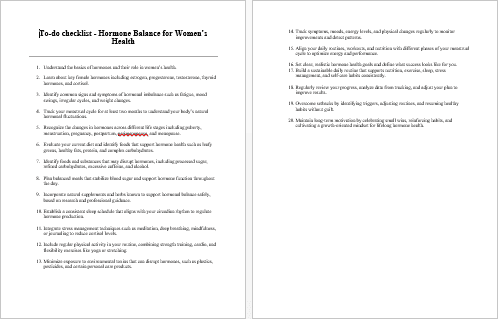
Hormone Balance for Women’s Health – Checklist
Hormone Balance for Women’s Health – FAQs
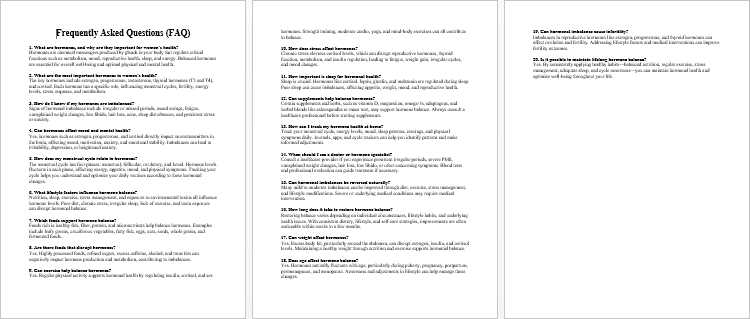
Hormone Balance for Women’s Health – Salespage Content
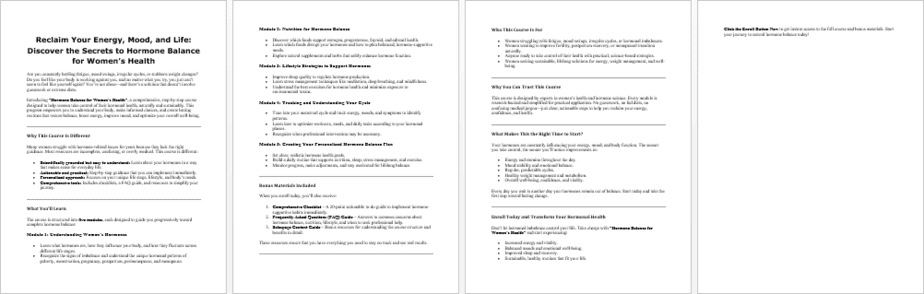
Package Details:
Word Count: 29 805 Words
Number of Pages: 128
Hormone Balance for Women’s Health – Bonus Content
Checklist
Word Count: 349 words
FAQs
Word Count: 734 words
Salespage Content
Word Count: 769 words
Total Word Count: 31 657 Words
Your PLR License Terms
PERMISSIONS: What Can You Do With These Materials?
Sell the content basically as it is (with some minor tweaks to make it “yours”).
If you are going to claim copyright to anything created with this content, then you must substantially change at 75% of the content to distinguish yourself from other licensees.
Break up the content into small portions to sell as individual reports for $10-$20 each.
Bundle the content with other existing content to create larger products for $47-$97 each.
Setup your own membership site with the content and generate monthly residual payments!
Take the content and convert it into a multiple-week “eclass” that you charge $297-$497 to access!
Use the content to create a “physical” product that you sell for premium prices!
Convert it to audios, videos, membership site content and more.
Excerpt and / or edit portions of the content to give away for free as blog posts, reports, etc. to use as lead magnets, incentives and more!
Create your own original product from it, set it up at a site and “flip” the site for megabucks!
RESTRICTIONS: What Can’t You Do With These Materials?
To protect the value of these products, you may not pass on the rights to your customers. This means that your customers may not have PLR rights or reprint / resell rights passed on to them.
You may not pass on any kind of licensing (PLR, reprint / resell, etc.) to ANY offer created from ANY PORTION OF this content that would allow additional people to sell or give away any portion of the content contained in this package.
You may not offer 100% commission to affiliates selling your version / copy of this product. The maximum affiliate commission you may pay out for offers created that include parts of this content is 75%.
You are not permitted to give the complete materials away in their current state for free – they must be sold. They must be excerpted and / or edited to be given away, unless otherwise noted. Example: You ARE permitted to excerpt portions of content for blog posts, lead magnets, etc.
You may not add this content to any part of an existing customer order that would not require them to make an additional purchase. (IE You cannot add it to a package, membership site, etc. that customers have ALREADY paid for.)
Share Now!
Latest Products

Free Sales Funnel Builder

Related Products
Popular & Trending

Featured Products