
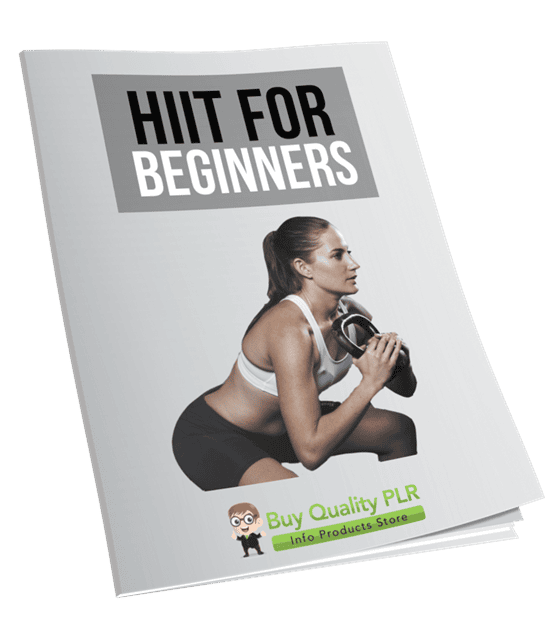
HIIT for Beginners PLR Course 32k Words
in Fitness Mindset PLR , Fitness PLR , HIIT PLR , PLR eCourses , PLR List Building Reports , Premium PLR , Premium PLR Reports , Premium White Label Brandable PLR Coaching Courses , Private Label Rights Products , Workout PLRChoose Your Desired Option(s)
has been added to your cart!
have been added to your cart!
#hiitforbeginners #plrcourse #fitnesstraining #workoutprograms #healthandwellness #fitnessmarketing #plrcontent #beginnerfitness #homeworkouts
32,000+ Words of Premium Fitness Content
HIIT for Beginners: Burn Fat in Less Time
The demand for fast, effective workouts has never been higher.
People are busy.
They want results.
They don’t want to spend hours at the gym.
That’s exactly why HIIT (High-Intensity Interval Training) continues to dominate the fitness industry.
If you’re looking for a powerful, evergreen fitness product you can brand, sell, and scale, the HIIT for Beginners PLR Course is a high-value addition to your catalog at Buy Quality PLR.
This isn’t a thin guide or a handful of workout ideas.
It’s a fully structured, beginner-focused, 32,000-word digital course that walks complete beginners from zero experience to confident, consistent fat-burning routines.
Fully editable.
Professionally structured.
Designed for real-world results.
Introducing the…
HIIT for Beginners PLR Course 32k Words
Why HIIT Is a High-Demand, High-Profit Niche
High-Intensity Interval Training is one of the most searched workout methods worldwide because it promises:
- Maximum calorie burn in minimal time
- No expensive gym memberships required
- Scalable intensity levels
- Visible results
- Improved endurance and metabolism
The biggest barrier for most people?
They don’t know how to start safely.
That’s where this course shines.
It removes intimidation and delivers a beginner-friendly roadmap.
This makes it perfect for:
- Fitness bloggers
- Weight loss coaches
- Online trainers
- Health influencers
- Digital product sellers
- Membership site owners
What Makes This Course Different?
Most HIIT content online is:
- Overwhelming
- Too advanced
- Focused on athletes
- Lacking proper guidance
This course is specifically designed for beginners.
It:
✔ Explains what HIIT actually is
✔ Emphasizes safety and preparation
✔ Provides structured routines
✔ Includes ready-to-follow workouts
✔ Covers nutrition and recovery
✔ Addresses motivation and long-term success
It’s not just workouts.
It’s a complete beginner transformation system.
Inside the HIIT for Beginners PLR Course
This comprehensive course is organized into five modules that guide learners step-by-step from understanding HIIT to mastering consistency.
Let’s break it down.
Module 1: Understanding HIIT and How It Works
Before jumping into workouts, beginners need clarity and confidence.
Lesson 1: What is HIIT?
This lesson explains:
- The core concept of high-intensity intervals
- Alternating work and rest periods
- Why intensity matters
- How short bursts create big results
It removes confusion and builds understanding.
Lesson 2: Benefits of HIIT for Beginners
Learners discover how HIIT can:
- Boost metabolism
- Improve cardiovascular health
- Increase endurance
- Enhance calorie burn
- Trigger post-workout fat burning (afterburn effect)
The science is explained in simple language — not overwhelming technical jargon.
Lesson 3: How HIIT Differs from Other Workouts
This section compares:
- HIIT vs steady-state cardio
- HIIT vs traditional gym routines
- HIIT vs long-duration treadmill sessions
It shows why shorter sessions can sometimes outperform longer workouts.
Lesson 4: Safety and Preparing Your Body
Safety is essential — especially for beginners.
This lesson covers:
- Proper warm-up techniques
- Assessing fitness level
- Modifications for beginners
- Avoiding common mistakes
- Listening to your body
This builds trust and reduces injury risk.
Module 2: Building Your Beginner HIIT Routine
Now learners move from theory to action.
Lesson 1: Choosing Beginner-Friendly Exercises
The course includes simple, approachable exercises such as:
- Bodyweight squats
- Modified push-ups
- Jumping jacks
- Step-back lunges
- Mountain climbers
- March-in-place options
No complicated moves.
No intimidating gym jargon.
Lesson 2: Structuring a HIIT Session
This lesson teaches the simple formula:
- Work interval duration
- Rest interval duration
- Number of rounds
- Total session time
Beginners learn how to build their own workouts confidently.
Lesson 3: Progressing Safely
Progression tips include:
- Increasing intensity gradually
- Extending work intervals
- Reducing rest time
- Adding light resistance
The focus is on sustainability — not burnout.
Lesson 4: Tools and Equipment (Optional)
While bodyweight is enough, this lesson introduces:
- Dumbbells
- Resistance bands
- Kettlebells
- Jump ropes
It keeps equipment optional and beginner-friendly.
Module 3: Fat-Burning Workouts You Can Start Today
This is where the value truly shines.
The course includes ready-to-follow workouts.
Lesson 1: 10-Minute Beginner HIIT Workout
Perfect for:
- Busy professionals
- Parents
- Total beginners
- People returning to exercise
Short. Effective. Achievable.
Lesson 2: 20-Minute Beginner HIIT Workout
A slightly longer routine designed to:
- Boost calorie burn
- Build endurance
- Increase confidence
Still manageable, not overwhelming.
Lesson 3: Quick Morning Fat-Burner
A fast, energizing session to:
- Kickstart metabolism
- Increase morning energy
- Set a productive tone for the day
Morning routines sell extremely well in fitness niches.
Lesson 4: Evening Fat-Blaster
Low-equipment routine designed for:
- Stress relief
- End-of-day energy release
- Quick fat-burning before dinner
This gives learners flexibility.
Module 4: Nutrition and Recovery for Maximum Results
Workouts alone aren’t enough.
This module completes the transformation.
Lesson 1: Eating to Fuel Your HIIT Workouts
Covers beginner-friendly basics such as:
- Balanced meals
- Pre-workout snacks
- Post-workout protein
- Avoiding energy crashes
It avoids extreme dieting advice.
Lesson 2: Hydration Matters
Explains:
- Why dehydration reduces performance
- How much water beginners should aim for
- Signs of dehydration
Simple advice. Big impact.
Lesson 3: Recovery Techniques
Teaches:
- Stretching routines
- Foam rolling basics
- Rest day importance
- Preventing soreness
Recovery prevents drop-off.
Lesson 4: Tracking Your Progress
Covers:
- Measuring endurance improvements
- Tracking body measurements
- Monitoring strength gains
- Celebrating non-scale victories
This keeps motivation high.
Module 5: Staying Consistent and Motivated
Consistency is the key to results.
This final module ensures long-term success.
Lesson 1: Creating a HIIT Schedule That Sticks
Helps learners:
- Plan weekly workouts
- Balance rest days
- Fit sessions into busy schedules
Practical time-management advice increases adherence.
Lesson 2: Overcoming Common Beginner Challenges
Addresses:
- Lack of motivation
- Plateaus
- Fatigue
- Busy schedules
- Self-doubt
This section feels supportive, not harsh.
Lesson 3: Mixing Up Workouts
Shows how to:
- Rotate exercises
- Change intervals
- Add light equipment
- Prevent boredom
Variety drives longevity.
Lesson 4: Celebrating Success and Setting New Goals
Encourages:
- Recognizing progress
- Setting new performance goals
- Thinking beyond the scale
This builds a long-term fitness mindset.
What’s Included in This PLR Package
You receive:
✔ 32,000+ word complete course
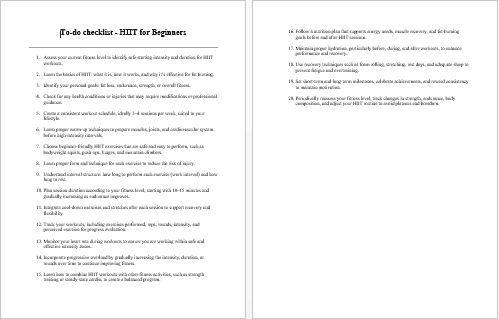
✔ Burn Fat in Less Time Checklist (351 words)
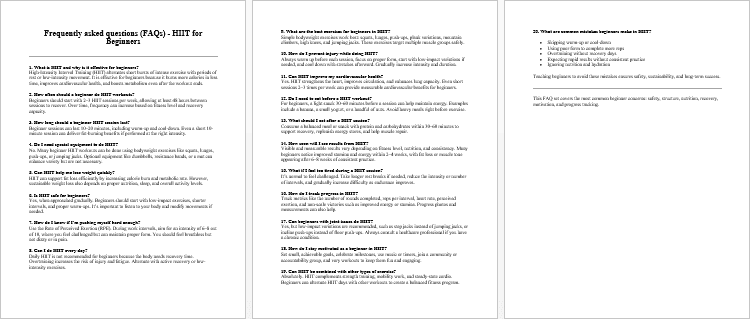
✔ Burn Fat in Less Time FAQs (809 words)
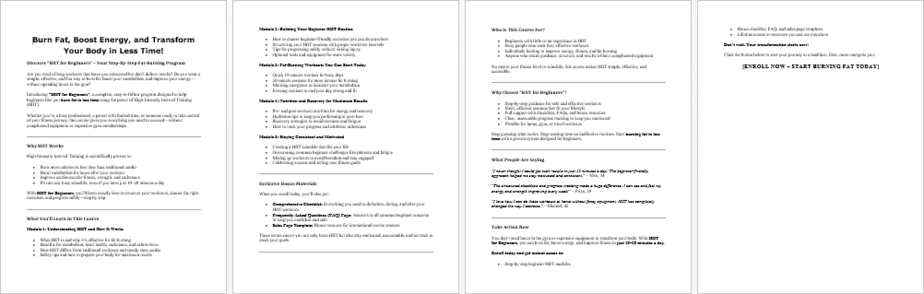
✔ Ready-made Salespage (789 words)
All content is structured and ready for editing and branding.
Powerful Ways to Use & Profit From This Course
This PLR license gives you tremendous flexibility.
1. Sell as a Beginner HIIT Digital Course
Offer it as:
- A downloadable workout guide
- A members-only training portal
- A guided email challenge
Suggested price: $27–$97+
2. Create a 6-Week Fat Loss Bootcamp
Turn it into a structured program with:
- Weekly workout plans
- Accountability emails
- Live check-ins
Charge $297–$497.
3. Break It Into Smaller Products
Sell mini-guides such as:
- 10-Minute HIIT Workouts ($17)
- Beginner Fat-Burning Blueprint ($27)
- HIIT Nutrition Guide ($19)
Great for front-end offers.
4. Launch a Fitness Membership
Release:
- New workouts monthly
- Bonus training videos
- Printable workout calendars
Recurring income model.
5. Bundle With Other Fitness PLR
Combine with:
- Meal planning guides
- Core strengthening programs
- Healthy habits courses
Create bundles priced $47–$97.
6. Convert Into Video or Audio
Film:
- Guided workouts
- Coaching voiceovers
- Instructional demos
Video dramatically increases perceived value.
7. Use Sections as Lead Magnets
Offer:
- “Beginner 10-Minute HIIT Plan”
- “HIIT Safety Checklist”
- “Pre-Workout Nutrition Guide”
Grow your email list quickly.
8. Build and Flip a Fitness Brand
Use the content to:
- Create blog articles
- Build authority
- Sell affiliate offers
- Launch digital products
Then sell the site for profit.
License Summary
You CAN:
✔ Sell the content (with minor tweaks).
✔ Modify 75%+ to claim copyright.
✔ Break into smaller products.
✔ Bundle with other content.
✔ Create memberships.
✔ Convert to video/audio.
✔ Use excerpts as lead magnets.
✔ Build and flip a website.
You CANNOT:
✘ Pass PLR or resell rights to customers.
✘ Allow redistribution rights.
✘ Offer 100% affiliate commissions (max 75%).
✘ Give away the full product as-is.
✘ Add it to existing paid packages without requiring a new purchase.
These restrictions protect your investment and the product’s long-term value.
Why Buy From Buy Quality PLR?
Because quality fitness content matters.
This course is:
- Beginner-focused
- Structured and logical
- Practical and action-driven
- Motivational without being extreme
- Designed for real-world results
It helps your customers succeed.
And when they succeed, they trust your brand.
The Opportunity Is Now
People want:
- Faster results
- Shorter workouts
- Clear guidance
- Sustainable fat loss
The HIIT for Beginners PLR Course gives you a premium, high-demand fitness product you can customize, launch, and scale.
Add it to your catalog.
Brand it your way.
Launch with confidence.
And build a profitable fitness product line that delivers real transformation — in less time.
has been added to your cart!
have been added to your cart!
Here A Sample of the HIIT for Beginners PLR Course
Learn how to burn fat efficiently with High-Intensity Interval Training (HIIT) in short, effective workouts, designed specifically for beginners.
Module 1: Understanding HIIT and How It Works
Lesson 1: What is HIIT?
Welcome to the first lesson of your journey into High-Intensity Interval Training, or HIIT. Whether you are a beginner or someone looking to understand the science behind efficient fat burning, this lesson will guide you step by step into what makes HIIT one of the most powerful fitness strategies today. By the end of this lesson, you will not only understand what HIIT is but also why it works so effectively, especially for those looking to burn fat in less time.
Step 1: Understanding the Basics of HIIT
Let’s start with the fundamentals. High-Intensity Interval Training is a type of workout strategy that alternates between short periods of intense activity and periods of lower intensity or complete rest. The idea is simple: push your body to near maximum effort for a brief period, then recover, and repeat the cycle.
The “high-intensity” part refers to the effort level. You are working at a pace that challenges your heart, muscles, and lungs, usually around 80 to 95 percent of your maximum effort. The “interval” refers to the structure of the workout—the alternating periods of intense activity and recovery.
Think of it as sprinting on a track for 30 seconds and then walking or jogging for 60 seconds to catch your breath. Repeat this several times, and you have the essence of HIIT.
Unlike traditional workouts, where you might run or cycle at a steady pace for 30–60 minutes, HIIT compresses the same benefits into a shorter time frame by leveraging the intensity of the effort. This is one of the reasons HIIT has gained global popularity—it is efficient, effective, and adaptable for almost any fitness level or lifestyle.
Step 2: How HIIT Works in the Body
To fully understand HIIT, it’s important to explore what happens in your body during these intervals. When you engage in high-intensity effort, your body experiences a stress response. Here’s what happens step by step:
- Increased Heart Rate: The first immediate response is that your heart rate skyrockets. Your heart pumps faster to deliver oxygen and nutrients to your working muscles. This elevated heart rate continues during the recovery periods, though at a slightly lower level, which helps improve cardiovascular fitness over time.
- Engaging Multiple Energy Systems: Your body uses different energy systems depending on the intensity and duration of your activity. During short, intense bursts, your body relies primarily on anaerobic energy systems, which provide energy without the immediate need for oxygen. This is why you may feel out of breath or your muscles burn during high-intensity intervals.
- Post-Exercise Oxygen Consumption: One of the unique features of HIIT is its ability to keep your metabolism elevated even after the workout is over. Scientists refer to this as Excess Post-Exercise Oxygen Consumption, or EPOC. Essentially, your body continues to burn calories at a higher rate as it works to recover, repair muscles, and replenish energy stores. This is sometimes called the “afterburn effect,” and it is one of the key reasons HIIT is so effective for fat loss.
- Hormonal Benefits: HIIT stimulates the release of hormones such as adrenaline and human growth hormone (HGH). Adrenaline mobilizes fat stores to be used as energy, while HGH helps preserve lean muscle and promotes recovery. This combination is powerful for those looking to burn fat without losing muscle mass.
Step 3: Why HIIT Burns Fat Efficiently
Many beginners wonder why HIIT is often described as “the fat-burning workout in less time.” Let’s break this down scientifically and practically:
- Caloric Burn During the Workout: During high-intensity intervals, your body burns calories at a much faster rate compared to steady-state cardio. Even a 20-minute HIIT session can burn as many calories as a 40–60-minute steady jog, depending on your effort level.
- Afterburn Effect (EPOC): As mentioned earlier, HIIT increases your metabolic rate even after you have finished exercising. Your body continues to consume oxygen at a higher level, burning additional calories and fat during the recovery phase. This effect can last anywhere from 12 to 48 hours post-workout.
- Fat as a Primary Energy Source During Recovery: During recovery, your body taps into stored fat to replenish energy, especially if glycogen stores in the muscles have been temporarily depleted during the intense intervals. This means that HIIT not only burns calories during the workout but also encourages your body to use fat as fuel afterward.
- Muscle Preservation: Unlike long-duration cardio, which can sometimes lead to muscle loss when overdone, HIIT tends to preserve lean muscle. This is crucial because muscle tissue burns more calories at rest than fat tissue, meaning that maintaining muscle mass helps your body continue burning fat efficiently over time.
- Time Efficiency: Perhaps the most practical benefit is that HIIT allows busy individuals to achieve significant results in a fraction of the time required by traditional workouts. With sessions ranging from just 10 to 30 minutes, it’s possible to get an effective fat-burning workout without needing to spend hours in the gym.
Step 4: Core Principles of HIIT for Beginners
For beginners, it’s important to understand the principles that make HIIT effective. These principles guide how you structure your workouts to achieve maximum results safely:
- Intensity Matters: The effectiveness of HIIT depends on the intensity of your high-effort intervals. Pushing yourself to a challenging level is essential. For beginners, this can be relative—high intensity does not mean you need to sprint at your absolute maximum from day one. Instead, aim for a level where you feel significantly challenged but can still maintain proper form.
- Short, Structured Intervals: High-intensity intervals typically range from 15 to 60 seconds, while recovery intervals can be equal or slightly longer. The ratio of work to rest can be adjusted based on your fitness level. A common starting point for beginners is a 1:2 ratio—30 seconds of work followed by 60 seconds of recovery.
- Full-Body Engagement: Many HIIT exercises involve multiple muscle groups, which increases calorie burn and improves functional fitness. Movements like jumping jacks, burpees, squats, and mountain climbers are effective because they engage the entire body.
- Consistency Over Duration: HIIT is effective, but it is also intense. It’s better to do shorter sessions consistently rather than occasional long sessions. Beginners should start with 2–3 sessions per week, gradually increasing frequency as endurance improves.
- Recovery is Critical: Because HIIT is demanding, proper recovery is essential. This includes rest days between sessions, adequate sleep, hydration, and balanced nutrition to support energy levels and muscle repair.
Step 5: Common Misconceptions About HIIT
As an international course creator, it’s important to address common misconceptions your students may have:
- HIIT is Only for Athletes: This is not true. HIIT can be scaled for any fitness level. Beginners can start with low-impact movements and shorter intervals. The key is relative intensity—each person works to their own maximum effort.
- HIIT Requires Gym Equipment: While equipment like dumbbells or kettlebells can be used, HIIT is highly adaptable. Bodyweight exercises alone can provide a full HIIT session, making it accessible worldwide, regardless of location or gym access.
- Long Workouts Are Better: HIIT is designed to be short and intense. Spending hours on cardio does not necessarily lead to faster fat loss. Efficiency is the main advantage of HIIT.
- HIIT Will Burn Fat Immediately: While HIIT is effective for fat loss, it works best when combined with a healthy lifestyle, proper nutrition, and consistency. Results appear gradually and sustainably over time.
- It’s Dangerous for Beginners: When approached correctly, HIIT is safe. Emphasis should be placed on proper warm-ups, correct form, and listening to your body. Scaling intensity and duration is crucial for beginners.
Step 6: How to Introduce HIIT to Your Students
As a course creator teaching an international audience, the way you present HIIT matters. Here’s a step-by-step approach:
- Start with Education: Begin each lesson by explaining the “why” behind HIIT. Students need to understand how it works to engage effectively. Use visual aids, diagrams, or simple animations to show intervals and recovery periods.
- Demonstrate Exercises Slowly: Introduce beginner-friendly movements with detailed instructions. Emphasize posture, alignment, and breathing. Avoid rushing through exercises, as beginners need time to build confidence.
- Encourage Self-Pacing: Explain that intensity is relative. Encourage students to work at their own maximum effort rather than comparing themselves to others.
- Focus on Short Sessions: Recommend starting with 10–15 minutes of HIIT. Short, manageable sessions build habit, confidence, and adherence, especially for international students with varying schedules and fitness levels.
- Include Recovery Guidance: Teach students how to recover between intervals and after workouts. This sets realistic expectations and reduces risk of burnout or injury.
Step 7: Preparing Your Body for HIIT
Before students attempt their first session, preparation is key. Here’s how to guide them:
- Warm-Up: A 5–10 minute warm-up prepares the body for intense activity. Include dynamic movements like arm circles, leg swings, and light jogging in place. This increases blood flow, warms muscles, and reduces injury risk.
- Mindset Preparation: Encourage students to approach HIIT with a positive mindset. Remind them that short bursts of intensity are normal and manageable, and that gradual improvement is part of the process.
- Check Health Conditions: Advise students to consult with a healthcare professional if they have chronic conditions, injuries, or concerns about high-intensity exercise.
Step 8: Summary of Key Points
By the end of this lesson, students should understand the following:
- HIIT is a combination of high-intensity effort and recovery intervals.
- It is highly effective for fat burning because of its calorie-burning and afterburn effects.
- HIIT works by elevating heart rate, engaging multiple energy systems, and stimulating fat-burning hormones.
- Beginners can scale HIIT to their fitness level while still gaining significant benefits.
- Safety, recovery, and proper preparation are essential for effective and sustainable results.
- HIIT is efficient, adaptable, and accessible to a global audience, making it ideal for beginners and busy lifestyles.
Step 9: Key Takeaways for International Course Creators
When teaching this lesson to an international audience, keep in mind:
- Use clear, universally understood terminology. Avoid slang or region-specific references.
- Provide options for different fitness levels. Include low-impact and bodyweight alternatives.
- Emphasize the scientific and practical benefits of HIIT, rather than just the hype.
- Encourage consistency and patience—results come from sustained effort, not one-off workouts.
- Make it interactive with examples, quizzes, or demonstration videos that show intervals and proper form.
This lesson forms the foundation for the rest of the course. Students who fully understand what HIIT is, how it works, and why it’s effective are far more likely to stick with the program and achieve meaningful fat-burning results. With this knowledge, they can approach their first HIIT workouts confidently, ready to experience the efficiency, intensity, and satisfaction that comes with this powerful form of training.
Lesson 2: Benefits of HIIT for Beginners
Welcome to Lesson 2 of this course. Now that you have a foundational understanding of what HIIT is, it’s time to explore the incredible benefits this training method offers, particularly for beginners. High-Intensity Interval Training is not only effective but also versatile and efficient, making it ideal for people around the world, regardless of age, experience, or lifestyle. In this lesson, we will break down the benefits step by step, explaining exactly how HIIT improves metabolism, heart health, endurance, and calorie burn—even long after a workout ends.
Step 1: Boosting Your Metabolism with HIIT
One of the most powerful benefits of HIIT is its ability to improve your metabolism. But what does that actually mean, and why is it so important?
Understanding Metabolism:
Metabolism refers to the rate at which your body converts food into energy. A faster metabolism allows you to burn more calories throughout the day, even while at rest. Many beginners believe that exercise only burns calories during activity, but HIIT works differently.
How HIIT Affects Metabolism:
- High-Intensity Intervals: During the intense phases of a HIIT workout, your body requires more energy than it can obtain from oxygen alone. This engages your anaerobic energy systems, which use stored carbohydrates (glycogen) for immediate fuel.
- Post-Exercise Oxygen Consumption (EPOC): After a HIIT session, your body continues to consume oxygen at an elevated rate to recover from the intense effort. This phenomenon, known as Excess Post-Exercise Oxygen Consumption, results in additional calorie and fat burning for hours—even up to 24–48 hours after the workout.
- Hormonal Impact: HIIT increases the production of growth hormone and adrenaline, which can further elevate metabolic activity and help your body utilize fat stores efficiently.
Practical Implication for Beginners:
Even short HIIT sessions, such as 15–20 minutes, can stimulate your metabolism significantly. For a beginner, this means you can achieve noticeable results without spending hours in the gym. It’s time-efficient and particularly appealing for people with busy schedules or limited access to fitness facilities.
Step 2: Improving Heart Health
HIIT is not only about burning calories—it also has profound cardiovascular benefits. The intense intervals place a controlled, healthy stress on your heart, which strengthens it over time.
How HIIT Improves Heart Health:
- Increased Heart Rate: During high-intensity intervals, your heart rate rises quickly, forcing your heart to pump more blood and supply oxygen to your muscles efficiently. This repeated stress strengthens the heart muscle, similar to how lifting weights strengthens skeletal muscles.
- Improved Blood Flow: Alternating between high intensity and recovery intervals enhances circulation and helps blood vessels remain flexible and healthy.
- Lower Resting Heart Rate: Regular HIIT sessions improve cardiovascular efficiency, which can lead to a lower resting heart rate over time. A lower resting heart rate is a key indicator of heart health.
- Reduced Risk of Heart Disease: Studies have shown that HIIT can reduce risk factors for cardiovascular disease, including high blood pressure, high cholesterol, and poor blood sugar control.
Practical Tip for Beginners:
Beginners do not need to sprint at maximum effort to gain heart health benefits. Even moderate-intensity intervals that challenge the heart safely are effective. Over time, as endurance improves, intensity can gradually increase, further enhancing cardiovascular fitness.
Step 3: Building Endurance Quickly
Endurance refers to the ability of your body to sustain physical activity over a period of time. Many beginners believe that long, steady workouts are necessary to improve endurance, but HIIT provides a faster, more efficient alternative.
How HIIT Improves Endurance:
- Aerobic and Anaerobic Conditioning: HIIT workouts combine periods of intense effort (anaerobic) with short recovery (aerobic), training your body to perform efficiently in both energy systems.
- Muscle Adaptation: Repeated exposure to high-intensity intervals strengthens muscles and improves their capacity to handle oxygen and nutrients.
- Increased Mitochondrial Density: HIIT stimulates the production of mitochondria in muscle cells. Mitochondria are the powerhouses of cells that produce energy. More mitochondria mean improved stamina and endurance.
- Improved Lactate Threshold: HIIT helps your body process lactic acid more efficiently, reducing fatigue during intense activity and enabling you to sustain effort for longer periods.
Practical Tip for Beginners:
Even beginners who feel they lack stamina can benefit from HIIT. Starting with short intervals, such as 20–30 seconds of moderate effort followed by recovery, gradually builds endurance. Over a few weeks, participants often notice they can perform longer intervals and maintain higher intensity with less fatigue.
Step 4: Maximizing Calorie Burn
One of the most appealing benefits of HIIT, especially for beginners looking to lose weight or burn fat, is the high calorie-burning potential. Unlike traditional cardio, HIIT maximizes calorie burn in a short period.
How HIIT Burns Calories Effectively:
- Intense Workload: During high-intensity intervals, your body requires a significant amount of energy to power muscles and sustain effort. This burns more calories in less time compared to steady-state workouts.
- Afterburn Effect (EPOC): The post-exercise calorie burn mentioned earlier plays a critical role. HIIT continues to burn calories even when your workout is finished, making it a highly efficient fat-burning tool.
- Muscle Engagement: Many HIIT exercises involve multiple muscle groups, which increases overall energy expenditure. Compound movements like squats, lunges, push-ups, and burpees require more energy than isolated exercises, further boosting calorie burn.
Practical Tip for Beginners:
Start with short, manageable HIIT sessions. For example, a 15-minute session with 20-second high-intensity intervals can burn more calories than 30 minutes of moderate jogging. Focus on maintaining proper form and consistent effort to maximize results without risking injury.
Step 5: Time Efficiency and Flexibility
A significant advantage of HIIT is its adaptability for different schedules, environments, and fitness levels, which is particularly relevant for international course creators teaching a global audience.
Why HIIT is Time-Efficient:
- Short Duration: HIIT sessions can range from 10–30 minutes, making them easy to fit into busy schedules.
- Minimal Equipment: HIIT can be performed with bodyweight exercises alone, or optionally with minimal equipment such as dumbbells or resistance bands. This makes it accessible anywhere—from a small apartment to a hotel room while traveling.
- Variety of Exercises: HIIT allows for a mix of cardio, strength, and functional exercises. This variety keeps workouts engaging and prevents boredom.
- Customizable Intensity: Beginners can scale exercises to their own fitness level. For example, low-impact modifications for jumping jacks or burpees ensure safety while still maintaining intensity.
Practical Tip for International Students:
HIIT can be integrated into daily life, regardless of location, climate, or available equipment. Short sessions in the morning or evening, even in small spaces, can provide measurable fitness benefits.
Step 6: Mental and Psychological Benefits
HIIT is not just beneficial for the body—it also positively impacts the mind, making it an ideal approach for beginners who may feel intimidated by traditional training programs.
How HIIT Improves Mental Health:
- Stress Reduction: The high-intensity intervals release endorphins, which improve mood and reduce stress levels.
- Mental Toughness: Pushing through short bursts of high effort builds resilience, confidence, and a sense of accomplishment.
- Focus and Discipline: HIIT requires attention to timing, form, and pacing, which enhances concentration and self-discipline.
- Motivation Through Quick Results: Beginners often see improvements in stamina, strength, and body composition relatively quickly, which reinforces motivation and consistency.
Practical Tip for Beginners:
Encourage participants to focus on small achievements, such as completing the first interval, finishing a session, or improving intensity over time. This fosters a positive mindset and adherence to the program.
Step 7: Long-Term Health Benefits
While HIIT provides immediate results in terms of fat burn and endurance, it also contributes to long-term health outcomes. This makes it an ideal choice for people looking to adopt sustainable fitness habits.
Key Long-Term Benefits:
- Improved Insulin Sensitivity: HIIT can enhance your body’s ability to regulate blood sugar, reducing the risk of type 2 diabetes.
- Cholesterol and Blood Pressure Management: Studies indicate that HIIT may help lower bad cholesterol (LDL) and improve blood pressure.
- Bone Density and Muscle Maintenance: Weight-bearing exercises in HIIT strengthen bones and preserve muscle mass, which is particularly important as we age.
- Enhanced Longevity: Regular high-intensity exercise has been linked to improved cardiovascular function and a lower risk of chronic diseases, contributing to a healthier, longer life.
Practical Tip for Beginners:
Even a few HIIT sessions per week, combined with a balanced lifestyle, can produce measurable health benefits over months and years.
Step 8: Summary of Benefits for Beginners
To summarize, the benefits of HIIT for beginners are extensive:
- Metabolism Boost: Elevates calorie burn during and after workouts.
- Heart Health: Strengthens the heart, improves circulation, and reduces cardiovascular risks.
- Endurance: Builds stamina and improves aerobic and anaerobic capacity.
- Calorie Burn: Maximizes energy expenditure in a short period.
- Time Efficiency: Short, flexible sessions suitable for busy schedules.
- Mental Health: Reduces stress, improves focus, and boosts motivation.
- Long-Term Health: Supports metabolic, cardiovascular, and musculoskeletal health over time.
By understanding these benefits, beginners can appreciate the value of HIIT not just as a workout but as a holistic approach to health and fitness.
Step 9: Key Takeaways for International Course Creators
When teaching this lesson internationally, consider the following points:
- Universal Relevance: Emphasize that HIIT benefits are consistent across age, culture, and location.
- Scalability: Highlight that HIIT can be adapted to different fitness levels and physical capabilities.
- Time Efficiency: Stress that short sessions can deliver measurable results, which is appealing to students with busy lifestyles.
- Holistic Approach: Present HIIT as a combination of physical and mental health benefits, not just fat-burning.
- Encourage Consistency: Reinforce the importance of regular practice for long-term results.
In conclusion, HIIT is an incredibly versatile, efficient, and effective workout strategy for beginners. Understanding the wide range of benefits—from metabolism and calorie burn to heart health, endurance, and mental well-being—helps beginners approach HIIT with confidence and motivation. When taught correctly, HIIT can empower students to take control of their fitness, see tangible results quickly, and adopt a sustainable, healthy lifestyle.
Lesson 3: How HIIT Differs from Other Workouts
Welcome to Lesson 3. Now that you understand what HIIT is and the numerous benefits it offers, it is essential to explore how it differs from other forms of exercise. Many beginners often ask whether they should do HIIT, steady-state cardio, or traditional gym workouts. By understanding these differences, students can make informed decisions about incorporating HIIT into their fitness routines. In this lesson, we will break down the differences step by step, highlighting how HIIT compares to other popular training methods, including steady-state cardio and conventional gym workouts.
Step 1: Understanding Steady-State Cardio
Before we discuss HIIT, it’s important to define steady-state cardio. Steady-state cardio refers to exercise performed at a consistent, moderate intensity for an extended period. Examples include jogging, cycling, swimming, or using an elliptical machine at a uniform pace.
Key Characteristics of Steady-State Cardio:
- Duration-Focused: Typically, sessions last anywhere from 30 to 60 minutes or more.
- Moderate Intensity: The effort level is sustainable; you can usually maintain a conversation while exercising.
- Calorie Burn During Exercise: Most calories are burned during the activity itself, with minimal afterburn effect.
- Cardiovascular Improvement: Steady-state cardio is effective for improving endurance and cardiovascular health over time.
Practical Implication for Beginners:
Steady-state cardio is accessible and easy to follow. It requires minimal technical skill and is suitable for individuals who are new to exercise or prefer longer, lower-intensity workouts. However, it may require a significant time commitment to achieve fat-loss results, and progress can plateau if intensity or duration is not adjusted.
Step 2: Understanding Traditional Gym Workouts
Traditional gym workouts generally involve a combination of resistance training, weightlifting, and sometimes moderate cardiovascular activity. These workouts are structured to improve muscle strength, tone, and overall fitness.
Key Characteristics of Traditional Gym Workouts:
- Resistance-Based: Includes exercises such as squats, deadlifts, bench presses, rows, and machine workouts.
- Structured Sets and Repetitions: Workouts are organized into sets and reps, with rest periods in between.
- Strength-Focused: These workouts prioritize building muscle mass, increasing strength, and improving functional movement.
- Calorie Burn: While these workouts burn calories, the primary goal is muscle development rather than rapid fat loss.
Practical Implication for Beginners:
Traditional gym workouts are highly effective for building lean muscle and improving overall strength. Beginners may need guidance on proper form and progression to avoid injury. Unlike HIIT, these workouts generally require more equipment and can take longer to produce noticeable fat-loss results.
Step 3: Core Differences Between HIIT and Steady-State Cardio
Now that we have defined steady-state cardio and traditional gym workouts, let’s explore how HIIT differs from steady-state cardio specifically:
- Intensity vs. Duration:
- Steady-state cardio emphasizes sustained, moderate effort over a long period.
- HIIT alternates between short bursts of high-intensity effort and recovery periods. The total duration of HIIT is usually much shorter than steady-state cardio, often 10–30 minutes.
- Calorie Burn Efficiency:
- Steady-state cardio burns calories primarily during the session.
- HIIT not only burns calories during exercise but also elevates metabolism afterward through the afterburn effect (EPOC). This makes HIIT more time-efficient for fat loss.
- Impact on Metabolism:
- Steady-state cardio has a modest effect on post-exercise metabolism.
- HIIT significantly increases post-exercise oxygen consumption, accelerating fat burning even after the workout ends.
- Muscle Engagement:
- Steady-state cardio primarily engages the lower body and cardiovascular system. Upper body involvement is minimal unless using specific equipment.
- HIIT often includes full-body movements that engage multiple muscle groups, promoting both strength and calorie expenditure simultaneously.
- Adaptability and Variety:
- Steady-state cardio routines can become monotonous if repeated over time, which can affect adherence.
- HIIT offers infinite variations of exercises, intervals, and intensity levels, which keeps workouts engaging and challenging.
Practical Tip for Beginners:
Encourage students to understand that both HIIT and steady-state cardio have their place. Steady-state cardio is ideal for building foundational endurance, while HIIT excels in maximizing fat burn and improving cardiovascular fitness in less time.
Step 4: Core Differences Between HIIT and Traditional Gym Workouts
Next, let’s examine how HIIT compares to traditional resistance-based gym workouts:
- Focus on Fat Loss vs. Muscle Building:
- Traditional gym workouts primarily target muscle growth and strength development. Fat loss may occur, but results are slower without supplemental cardiovascular activity.
- HIIT is designed for efficient fat loss, using intensity and metabolic stress to burn calories and stimulate fat metabolism.
- Workout Structure:
- Gym workouts are typically organized by muscle groups and consist of multiple sets with rest periods of 60–90 seconds or more.
- HIIT alternates between high-intensity activity and short recovery periods, maintaining a continuous cycle that challenges both the cardiovascular system and muscles.
- Time Requirement:
- Traditional gym workouts often take 60–90 minutes to complete, particularly if including warm-up, multiple sets, and cool-down.
- HIIT sessions can achieve significant results in 10–30 minutes, making them more practical for busy individuals.
- Caloric Expenditure and Metabolic Response:
- Gym workouts burn calories during resistance training, but the post-workout calorie burn is generally lower unless circuits or high-intensity techniques are used.
- HIIT triggers the afterburn effect (EPOC) more effectively, increasing metabolic rate post-exercise.
- Accessibility and Equipment:
- Traditional gym workouts usually require access to equipment such as barbells, dumbbells, machines, or benches.
- HIIT can be performed with minimal or no equipment, making it globally accessible for beginners in diverse environments.
Practical Tip for Beginners:
HIIT can complement traditional gym workouts by adding a cardiovascular and fat-burning component to a strength-focused routine. Beginners may choose to alternate days of resistance training with HIIT sessions for balanced results.
Step 5: Differences in Psychological Impact
Beyond physical differences, HIIT, steady-state cardio, and traditional gym workouts affect motivation, engagement, and mental endurance differently:
- HIIT:
- Short, intense sessions keep workouts exciting and achievable, especially for beginners who may be intimidated by longer workouts.
- Quick results in endurance, calorie burn, and stamina boost confidence and adherence.
- Steady-State Cardio:
- Can be meditative and relaxing but may become repetitive over time.
- Longer sessions require higher mental endurance and patience to see fat-loss results.
- Traditional Gym Workouts:
- Provides a sense of structure and measurable strength progression through weights and sets.
- May require more technical knowledge and attention to form, which can be intimidating for beginners without proper guidance.
Practical Tip for Beginners:
HIIT’s combination of short duration, variety, and immediate feedback makes it an excellent motivational tool for new exercisers. It encourages engagement while producing visible results quickly, reinforcing positive behavior.
Step 6: Considerations for International Audiences
When teaching HIIT to an international audience, it is important to highlight its adaptability compared to other workout types:
- Space Flexibility:
- Steady-state cardio may require a track, treadmill, or outdoor space.
- Traditional gym workouts require specific equipment.
- HIIT can be done in small spaces, making it accessible for students living in apartments, dormitories, or urban areas with limited outdoor space.
- Equipment Minimalism:
- HIIT can use bodyweight exercises exclusively, allowing learners from diverse socioeconomic backgrounds to participate.
- Optional equipment like resistance bands or dumbbells can be included, but they are not mandatory.
- Time Zone and Scheduling Flexibility:
- Short HIIT sessions fit into any schedule, regardless of global time zones.
- Beginners with varying commitments, such as work or family responsibilities, can integrate HIIT efficiently.
- Cultural Considerations:
- HIIT exercises are universally understood and do not require culturally specific movements.
- Language and demonstrations should emphasize simplicity, form, and intensity rather than complex choreography.
Step 7: Safety and Progression Differences
Understanding how HIIT differs from other workouts also requires attention to safety and progression:
- Intensity Management:
- HIIT demands periods of near-maximal effort. Beginners must start with lower intensity intervals to build endurance and avoid injury.
- Steady-state cardio allows for sustained moderate effort with minimal risk.
- Traditional gym workouts may require supervision for proper lifting technique.
- Adaptation Rate:
- HIIT results in rapid improvements in metabolism, endurance, and cardiovascular fitness. Beginners may notice changes within weeks.
- Steady-state cardio and gym workouts often require longer periods to see similar results in fat loss or endurance.
- Recovery Needs:
- HIIT requires sufficient rest between sessions due to its high intensity. Beginners should start with 2–3 sessions per week.
- Steady-state cardio can often be performed daily.
- Gym workouts may vary in recovery requirements depending on muscle groups and intensity.
Step 8: Summary of Key Differences
To summarize, here are the core differences between HIIT, steady-state cardio, and traditional gym workouts:
| Feature | HIIT | Steady-State Cardio | Traditional Gym Workouts |
| Duration | 10–30 minutes | 30–60+ minutes | 60–90 minutes |
| Intensity | High (intervals) | Moderate | Variable |
| Calorie Burn | High during + after (EPOC) | Moderate, mainly during | Moderate, mainly during |
| Muscle Engagement | Full-body, compound | Lower-body focus | Targeted by muscle groups |
| Equipment | Minimal or none | Optional | Required for many exercises |
| Mental Engagement | Short, varied, motivating | Long, repetitive | Structured, measurable |
| Fat Loss Efficiency | High | Moderate | Lower without additional cardio |
| Accessibility | High | Moderate | Moderate to low |
Understanding these differences helps beginners select the most suitable approach and enables course creators to design balanced programs that maximize results while accommodating diverse needs.
Step 9: Practical Advice for Beginners
For beginners, the takeaway is that HIIT offers a unique combination of efficiency, intensity, and versatility that makes it ideal for fat loss, cardiovascular improvement, and endurance building. However, it is not exclusive; combining HIIT with steady-state cardio or resistance training can provide a comprehensive fitness approach.
- Start with short HIIT sessions 2–3 times per week.
- Include low-impact modifications if necessary.
- Encourage students to combine HIIT with light cardio or gym workouts for balanced fitness.
- Emphasize safety, progression, and consistency for optimal results.
By understanding these distinctions, beginners gain clarity on why HIIT is an efficient and highly adaptable form of training. This knowledge empowers them to approach workouts confidently, optimize their results, and integrate fitness seamlessly into their daily lives.
We’re also giving these extra bonuses
HIIT for Beginners – Checklist
HIIT for Beginners – FAQs
HIIT for Beginners – Salespage Content
Package Details:
Word Count: 30 773 Words
Number of Pages: 128
HIIT for Beginners – Bonus Content
Checklist
Word Count: 351 words
FAQs
Word Count: 809 words
Salespage Content
Word Count: 789 words
Total Word Count: 32 722 Words
Your PLR License Terms
PERMISSIONS: What Can You Do With These Materials?
Sell the content basically as it is (with some minor tweaks to make it “yours”).
If you are going to claim copyright to anything created with this content, then you must substantially change at 75% of the content to distinguish yourself from other licensees.
Break up the content into small portions to sell as individual reports for $10-$20 each.
Bundle the content with other existing content to create larger products for $47-$97 each.
Setup your own membership site with the content and generate monthly residual payments!
Take the content and convert it into a multiple-week “eclass” that you charge $297-$497 to access!
Use the content to create a “physical” product that you sell for premium prices!
Convert it to audios, videos, membership site content and more.
Excerpt and / or edit portions of the content to give away for free as blog posts, reports, etc. to use as lead magnets, incentives and more!
Create your own original product from it, set it up at a site and “flip” the site for megabucks!
RESTRICTIONS: What Can’t You Do With These Materials?
To protect the value of these products, you may not pass on the rights to your customers. This means that your customers may not have PLR rights or reprint / resell rights passed on to them.
You may not pass on any kind of licensing (PLR, reprint / resell, etc.) to ANY offer created from ANY PORTION OF this content that would allow additional people to sell or give away any portion of the content contained in this package.
You may not offer 100% commission to affiliates selling your version / copy of this product. The maximum affiliate commission you may pay out for offers created that include parts of this content is 75%.
You are not permitted to give the complete materials away in their current state for free – they must be sold. They must be excerpted and / or edited to be given away, unless otherwise noted. Example: You ARE permitted to excerpt portions of content for blog posts, lead magnets, etc.
You may not add this content to any part of an existing customer order that would not require them to make an additional purchase. (IE You cannot add it to a package, membership site, etc. that customers have ALREADY paid for.)
Share Now!
Latest Products


Free Sales Funnel Builder

Related Products
Popular & Trending

Featured Products