
Understanding PLR and SEO: Guide to Ranking with PLR Content
in Business Models, Content Marketing, Digital Products, Internet Marketing, Make PLR Unique, Online Home Business, PLR Content, PLR Marketing Tools, PLR Products, PLR Rebranding, Private Label Rights, Product Creation, Repurpose PLR, SEO, Using PLRThe Strategic Blueprint for Optimizing Private Label Rights Content to Achieve Dominant Search Engine Visibility
This comprehensive guide delves into the symbiotic relationship between Private Label Rights (PLR) content and Search Engine Optimization (SEO), offering valuable insights and actionable strategies for effectively ranking PLR material. Discover how to leverage ready-made content to boost your online visibility and drive organic traffic to your site.
Introduction to PLR Content
PLR content has become one of the most effective tools for entrepreneurs and marketers looking to scale their content strategy quickly. Whether you are a buyer looking for ready-made resources or building a strong presence on the web, understanding how PLR works is essential for long-term success.
What is PLR Content?
PLR content (Private Label Rights content) refers to pre-created digital material—such as articles, ebooks, software, and templates—that you can purchase, edit, and rebrand as your own.
Unlike standard licensed content, PLR gives the buyer the flexibility to:
- Modify and personalize the content
- Add their own branding and voice
- Use it for marketing, products, or educational purposes
- Publish it across websites and platforms
This makes PLR a powerful done-for-you solution for anyone who wants to grow their presence on the web without spending countless hours creating content from scratch.
For many entrepreneurs, PLR acts as a practical beginner’s guide to content creation, offering a fast and cost-effective way to start building a content library and launching digital products.
Benefits of Using PLR Articles
PLR articles are one of the most versatile forms of content available. They provide a strong foundation that can be adapted and expanded into multiple formats.
Key benefits include:
Save Time and Effort
PLR articles eliminate the need to start from zero. Instead of writing every piece yourself, you can focus on editing and improving existing material.
Create Multiple Content Assets
With the right approach, you can turn one article into:
- Blog posts for SEO
- Social media updates
- Email newsletter campaigns
- Sections of an ebook
This helps you generate more content in less time while maintaining consistency.
Improve Your Marketing Copy
PLR content can also be used as a base for writing effective copy. By rewriting and customizing it, you can create persuasive sales pages, landing pages, and promotional materials.
Ideal for Beginners
For those new to online business, PLR articles act as a beginner’s guide to understanding how content works. They provide structure, ideas, and direction for building a strong content strategy.
Understanding Private Label Rights
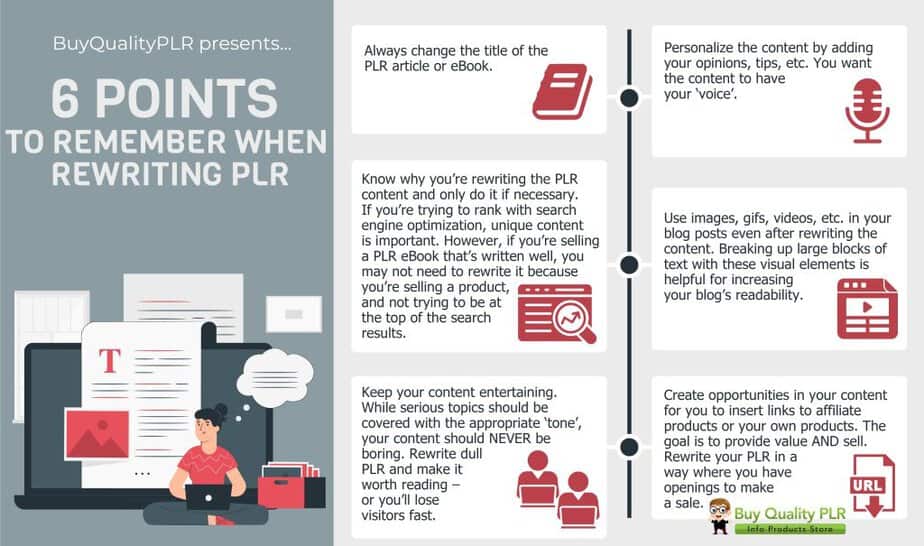
Understanding Private Label Rights content gives you the ability to take existing content and transform it into your own branded asset. This means you can edit, repackage, and publish the material as if you created it yourself.
For a buyer, this offers several advantages:
- Full control over how the content is used
- The ability to customize and improve quality
- Opportunities to create unique products and marketing materials
However, it’s important to modify PLR content before publishing. Simply copying and pasting without changes can reduce value and impact your credibility. By enhancing the content, you ensure it performs better across the web and aligns with your brand.
SEO Strategies for PLR Content
Using PLR effectively for SEO requires more than just publishing ready-made content. To rank well and attract consistent organic traffic, you need an effective marketing strategy that improves quality, relevance, and user experience. With the right strategy, the use of plr can become a powerful part of your overall content marketing system.
Optimizing PLR Articles for Search Engines
Optimizing PLR articles starts with transformation. Search engines prioritize unique, high-quality content, so your first step is to rewrite and enhance the material.
Focus on improving the content creation process by:
- Rewriting sections to add originality and depth
- Updating outdated information
- Adding examples, case studies, and insights
- Improving readability with headings and short paragraphs
Keyword optimization is very important. Research relevant keywords and include them naturally throughout the article. Long-tail keywords are especially effective because they match specific search intent and help you rank faster.
You should also improve the context of your content by ensuring it aligns with user intent. Ask yourself: what problem is the reader trying to solve? Then tailor the article to provide clear and actionable answers.
Additional optimization techniques include:
- Adding internal links to related content
- Using descriptive headings (H2, H3) for structure
- Including bullet points for readability
- Optimizing meta titles and descriptions
These steps help search engines understand your content better while improving the overall user experience.

Measuring SEO Success with PLR Content
Tracking performance is essential to ensure your SEO efforts are working. Without data, it’s difficult to know what needs improvement.
Key metrics to monitor include:
- Organic traffic growth
- Keyword rankings
- Bounce rate and time on page
- Click-through rates (CTR)
These metrics give insight into how well your content performs and whether it resonates with your audience.
You can also build a stronger online profile by consistently publishing optimized content. Over time, this helps establish authority in your niche and improves your chances of ranking higher in search results.
Regular analysis allows you to refine your strategy. If certain topics or keywords perform well, you can create more content around them. If something underperforms, you can update and improve it.
Effective Content Strategies for Marketing
To get the most value from PLR, you need a multi-channel content marketing strategy. Publishing alone is not enough—you must actively promote and repurpose your content.
Start by integrating PLR into your overall content creation process. Once your content is optimized, distribute it across different platforms to increase visibility.
Effective strategies include:
- Sharing blog posts on social media
- Sending content through email newsletters
- Repurposing articles into videos or infographics
- Expanding content into guides or ebooks
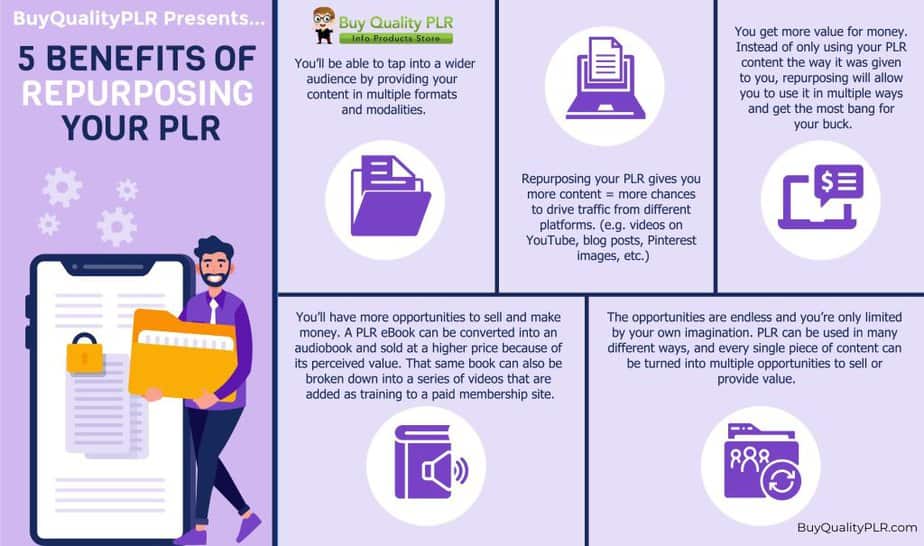
Repurposing PLR is powerful. A single PLR article can be transformed into multiple formats, helping you reach different audiences while maintaining consistency.
It’s also important to maintain strong context across all platforms. Your messaging should stay aligned, ensuring your audience clearly understands your value and expertise.
By combining SEO with consistent promotion, the use of plr becomes a scalable way to drive traffic, build authority, and grow your brand.

Boosting Rankings with PLR Content
When used correctly, PLR can become a powerful SEO asset. The key is to move beyond basic publishing and focus on quality, relevance, and user experience. With the right approach, PLR content for SEO can help you rank higher, attract organic traffic, and build long-term authority in your niche.
Techniques to Rank PLR Articles
Ranking PLR articles starts with transformation. Search engines reward originality and value, so your goal is to turn generic content into something unique and useful.
Begin by rewriting and enhancing the content:
- Add new insights, examples, and updated information
- Expand thin sections with actionable advice
- Improve clarity and readability
Keyword optimization is essential. Research relevant search terms and include them naturally throughout your content. Focus on long-tail keywords that match user intent, as these are easier to rank for and bring more targeted traffic.
To improve structure and SEO performance:
- Use clear headings (H2, H3) to organize content
- Break text into shorter paragraphs
- Add bullet points for easy reading
- Include internal links to related articles
These techniques make your content easier for search engines to crawl and improve the overall user experience—both critical factors for Using PLR for SEO effectively.
Using SEO to Enhance PLR Content Visibility
Once your content is optimized, the next step is increasing visibility. Strong SEO ensures your content reaches the right audience and performs well in search results.
Focus on key on-page SEO elements:
- Optimize meta titles and descriptions with target keywords
- Use descriptive image alt tags
- Ensure fast page loading and mobile responsiveness
Off-page SEO is equally important. Building backlinks from reputable websites signals authority to search engines and helps improve rankings.
You can also boost visibility through:
- Social media sharing
- Email marketing campaigns
- Content repurposing across platforms
Monitoring engagement metrics such as time on page, bounce rate, and click-through rates is crucial. These signals tell search engines whether your content is valuable to users. Higher engagement often leads to better rankings.
By combining on-page optimization, promotion, and performance tracking, you can maximize the impact of PLR content for SEO.

Quality PLR: How to Choose the Right Content
Your results depend heavily on the quality of the PLR you start with. Choosing the right content reduces editing time and improves your chances of ranking.
When selecting PLR, look for:
- Well-written, structured content
- Relevant topics for your niche
- Clear and flexible licensing rights
- Content that can be easily customized
Avoid sources with low-quality PLR that is poorly written, outdated, or overly generic. This type of content requires extensive rewriting and may not perform well, even after optimization.
High-quality PLR provides a strong foundation, allowing you to focus on adding value, optimizing for SEO, and improving engagement metrics.
Conclusion
Combining SEO and PLR is one of the most effective ways to scale your content strategy while saving time. When approached correctly, PLR becomes more than just ready-made material—it becomes a system for producing valuable content, driving traffic, and growing your online presence.
Recap of Key Points
This guide has shown that success with PLR depends on three core elements: selection, customization, and optimization.
To get the best results:
- Start with careful selection of high-quality plr packages
- Transform the content into new content through rewriting and enhancement
- Avoid duplicate content, which can lead to a ranking penalty
- Optimize your articles with relevant keywords and strong structure
- Focus on delivering valuable content that matches user intent
A key tip is to never publish PLR content as-is. Even well-written material must be improved and personalized to stand out in search results.
By following these steps, you can turn plr products including articles, ebooks, and guides into high-performing assets that attract organic traffic and support your overall marketing goals.
Final Thoughts on PLR and SEO
The synergy between seo and plr offers a powerful and cost-effective way to grow your content output. PLR provides the foundation, while SEO ensures your content gets discovered.
Instead of creating everything from scratch, you can:
- Use PLR as a base for new content
- Enhance it to ensure originality and valuable content
- Optimize it for better visibility and engagement
- Buy PLR for reputable sources and incorporate it with original content to make it unique
Avoiding duplicate content is critical. Search engines prioritize unique material, and failing to customize PLR properly can result in a ranking penalty.
When done right, PLR allows you to scale faster while maintaining quality and relevance in your niche.
Next Steps for Implementing PLR in Your Marketing
To start seeing real results, follow these actionable steps:
1. Choose the Right PLR Packages
Focus on high-quality plr packages that align with your niche and audience. Strong selection reduces editing time and improves results.
2. Customize for Uniqueness
Rewrite, expand, and enhance the content to create new content that reflects your brand voice and expertise.
3. Optimize for SEO
Add keywords naturally, improve formatting, and ensure your content delivers valuable content to readers.
4. Publish and Promote
Use your website, blog, and social channels to distribute your content and increase visibility.
5. Monitor and Improve
Track performance metrics with Google Analytics and refine your strategy to avoid issues like duplicate content and maximize results.
Final Takeaway
PLR is a powerful tool when used strategically. By focusing on quality selection, avoiding duplicate content, and consistently delivering valuable content, you can build a scalable content system.
With the right approach, PLR products including articles and ebooks can help you create consistent new content, improve your SEO, and grow your business—without the heavy workload of starting from scratch.
Build Your Sales Funnel (FREE)

Latest Product Releases








FREE Marketing Platform